How Close Can You Get to Wildlife on Safari
“How close will we actually get to the animals?” It’s a fair question. If you’ve watched documentaries or seen incredible safari photos online, it’s easy to wonder whether those moments are real or whether they’re captured with powerful zoom lenses. After planning countless safaris across Kenya and Tanzania, I can confidently say this:
You can get surprisingly close to wildlife—but the secret isn’t getting closer. It’s having experienced guides who know how to position you safely while respecting the animals.
The most unforgettable wildlife encounters don’t happen because someone ignored the rules. They happen because nature is allowed to behave naturally.

Wildlife Can Be Closer Than You Imagine
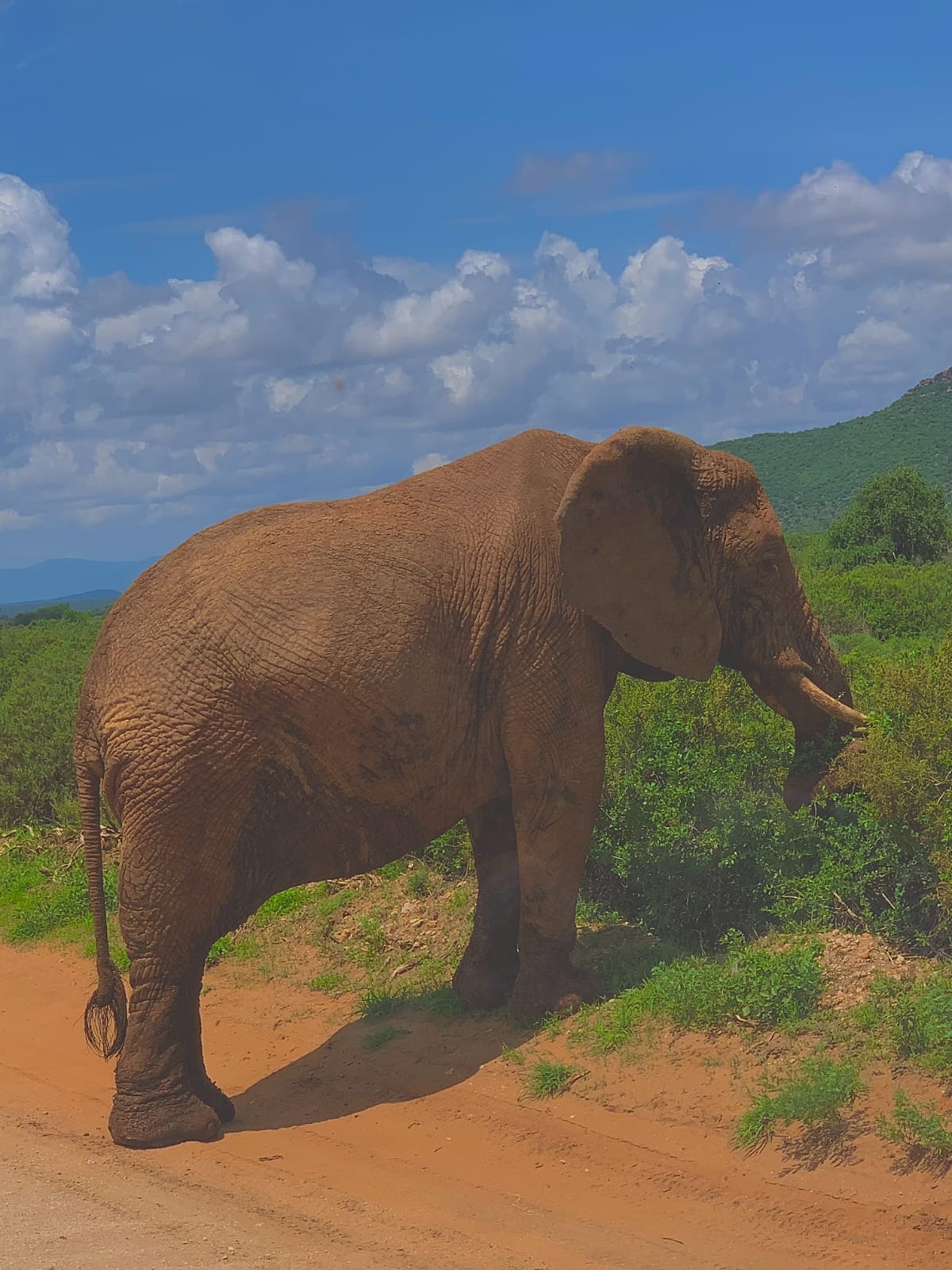
Many first-time travelers are amazed by how close they come to Africa’s wildlife. On a game drive in the Maasai Mara, it isn’t unusual to watch a pride of lions resting only a few metres from your vehicle. In Amboseli National Park, elephants often walk peacefully across the road while your guide patiently waits for them to pass.
In Tanzania’s Serengeti and Ngorongoro Crater, you may find yourself surrounded by zebras, wildebeest, giraffes, or elephants as they continue with their daily routines.
One experience I always recommend before guests begin their safari is visiting the Giraffe Centre in Nairobi. Under the supervision of trained conservation staff, visitors can hand-feed endangered Rothschild’s giraffes and experience one of the closest wildlife encounters possible. But it’s important to understand the difference.
Conservation centres are carefully managed environments. National parks are completely different. The animals are truly wild, and that is exactly what makes a safari so special.
How Close Do Safari Vehicles Get?
One of the biggest surprises for first-time visitors is that safari vehicles often don’t need to chase wildlife. The wildlife comes to you. Over many years, animals in protected areas have become accustomed to safari vehicles following designated roads. They generally see the vehicle as part of the landscape, provided everyone inside behaves calmly and quietly. That means you might find yourself watching:

- Lions sleeping beside the road.
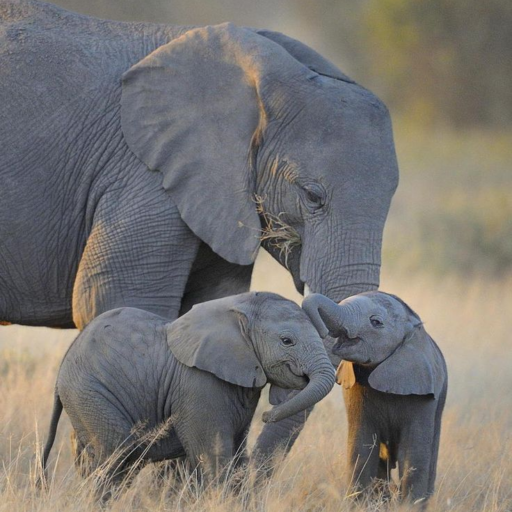
- Elephants feeding only a short distance away.
- Giraffes walking gracefully across the track.
- Zebras and wildebeest grazing around your vehicle.
- Hippos relaxing in rivers while you observe from a safe viewpoint.
The exact distance always depends on the animal, its behaviour, and park regulations. A professional guide knows when to stay, when to move, and when it’s time to give wildlife more space.
The Biggest Misconception About Getting Close to Wildlife
One misunderstanding I often see is that guests assume wild animals can be treated like animals in a zoo—or even like pets at home. That couldn’t be further from reality. You should never attempt to:
- Touch wild animals.
- Feed them inside a national park.
- Call them by making noises.
- Throw objects to get their attention.
- Leave your vehicle for a better photograph.
Wild animals are exactly that—wild. The goal of a safari isn’t to interact with them. It’s to witness their natural behaviour without disturbing it. Ironically, respecting that boundary often leads to the most incredible sightings.
Why Experienced Guides Don’t Always Drive Closer
Sometimes guests ask, “Can’t we get a little closer?” What many people don’t realise is that keeping a respectful distance is often a sign of an excellent guide. Professional driver-guides spend years learning animal behaviour. They aren’t simply driving from one sighting to another. They’re constantly reading what the animals are communicating.
For example: An experienced guide can recognise when an elephant is relaxed and when it is becoming uncomfortable. Adult male elephants in musth can be more aggressive and unpredictable, so a knowledgeable guide knows to allow extra space.
They can also recognise when predators are preparing to hunt. Rather than interrupting that behaviour, they position the vehicle carefully, allowing guests to witness nature without interfering. The best guides know that the goal isn’t simply getting close. It’s getting close safely.
Nature Gives Clues—Professional Guides Know How to Read Them
One thing I love about safari guiding is that nature is always communicating. You just need to know what to look for. Professional guides pay attention to clues that most visitors never notice. They watch bird behaviour. They observe fresh tracks. They listen to radio communication from other experienced guides. They understand wind direction, knowing predators often use it to avoid being detected by prey.
They notice vultures circling overhead, which may indicate a recent kill nearby. Even small birds can provide valuable information. Oxpeckers, for example, are commonly seen on large mammals such as rhinos and buffalo, feeding on ticks while also reacting to movement around them. Guides combine observations like these with years of experience to build a picture of what’s happening across the landscape.
As I often say:
Nature provides every clue. You just need someone who knows how to read it.
That’s one of the biggest reasons why an experienced guide can completely transform your safari.
Why Safari Rules Matter
Every national park has rules, and they’re there for good reason. These rules protect both visitors and wildlife. Some of the most important include:
- Stay inside your safari vehicle unless you’re in a designated area.
- Never feed wildlife.
- Avoid loud noises or shouting.
- Don’t ask your guide to leave designated roads where it isn’t permitted.
- Respect the guide’s instructions at all times.
Sometimes a lion may disappear into long grass. Sometimes a leopard remains hidden in a tree. Sometimes an elephant chooses to walk away. That’s nature. A good safari isn’t about forcing wildlife to perform. It’s about being patient enough to experience authentic moments.
Do You Need Binoculars?
Many travelers ask whether binoculars are necessary. For large mammals like elephants, lions, giraffes, and zebras, you often won’t need them because sightings can be surprisingly close. However, I always recommend bringing a good pair of binoculars if you enjoy birdwatching.
Kenya and Tanzania are home to hundreds of bird species, and binoculars make it much easier to appreciate their colours, behaviour, and unique characteristics. They’re also useful for spotting distant wildlife across open plains.
The Closest Encounters Are Built on Respect
Some of the most memorable moments I’ve witnessed weren’t the closest. They were the calmest. Watching a lion pride ignore your vehicle while their cubs played nearby. Seeing an elephant quietly cross the road only metres away. Standing on a game drive as hundreds of wildebeest moved across the plains.
Watching giraffes feed peacefully against the backdrop of Mount Kilimanjaro. Those moments happen because guides understand wildlife and visitors respect the rules. The closer you allow nature to remain natural, the more extraordinary your safari becomes.
Final Thoughts
So, how close can you get to wildlife on safari? Closer than most people imagine. But the real question isn’t about distance. It’s about trust. Trusting your guide. Trusting the rules. And trusting nature to unfold in its own time.
At Munzat Safaris, we believe the best wildlife encounters are never forced. They happen through patience, experience, ethical guiding, and respect for the incredible animals that make East Africa one of the greatest safari destinations on Earth.
Because at the end of the day, the most unforgettable safari isn’t the one where you got the closest. It’s the one where you witnessed wildlife behaving exactly as it should—wild, free, and completely unforgettable.