Mto wa Mbu Tanzania
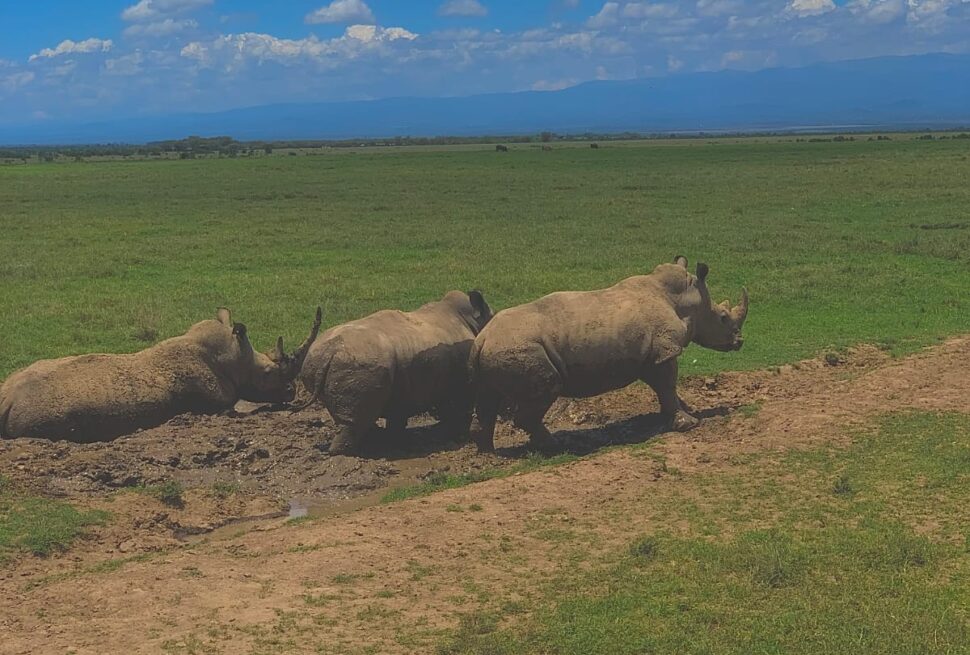
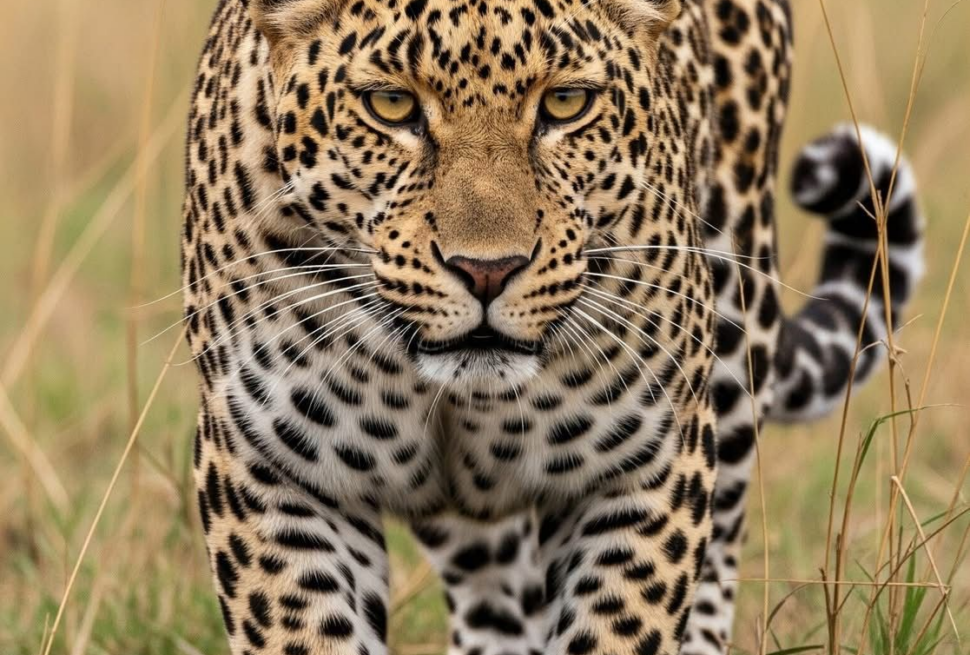
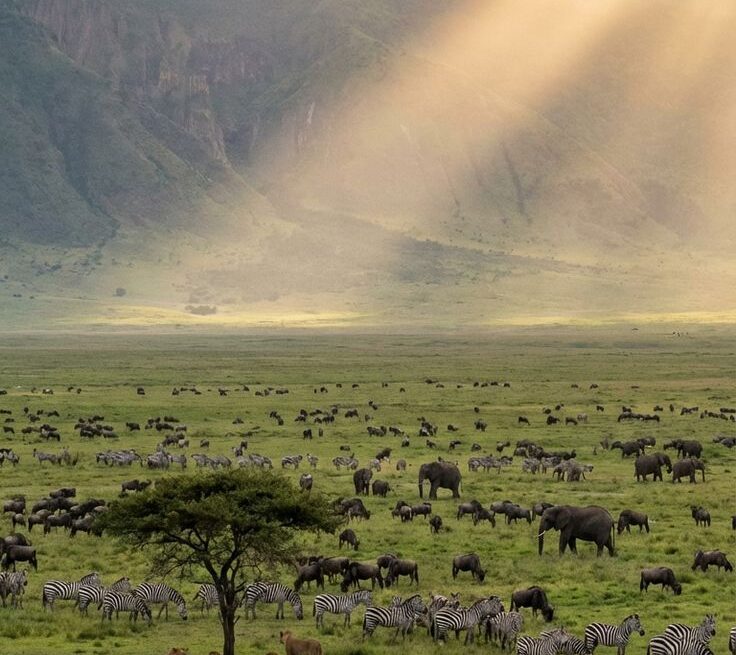
Most people plan a trip to Tanzania for the wildlife. They picture lions on the Serengeti plains or the thunder of a wildebeest migration. Tanzania, however, offers something else entirely along the way, and it sits in a small village most safari-goers drive straight past.
Mto wa Mbu, Tanzania, is that village. Tucked at the base of the Great Rift Valley, it is home to more than 120 tribes living side by side, a feat of cultural coexistence found almost nowhere else in the country. Munzat Safaris regularly brings travelers here, not as a quick photo stop, but as a genuine window into everyday Tanzanian life.
This guide explains why Mto wa Mbu deserves real time on your itinerary, not just a bathroom break between national parks. From banana plantations to bustling markets, from local cuisine to nearby wildlife, this small town packs in more cultural depth than its size suggests.
Where Is Mto wa Mbu?
Mto wa Mbu sits in northern Tanzania’s Arusha Region, roughly 120 kilometers, or about 74 miles, from Arusha town. The drive takes around two to three hours along a well-maintained tarred road, making it an easy and comfortable addition to any northern safari route.
The village sits directly beneath the dramatic escarpment of the Great Rift Valley. Lake Manyara National Park borders it to the east, while the main road continues onward toward Ngorongoro Crater and the Serengeti. Because of this position, Mto wa Mbu functions as a natural gateway into Tanzania’s Northern Safari Circuit.
Most travelers reach the village by road as part of a broader safari itinerary. Munzat Safaris typically schedules a stop here either before or after a visit to Lake Manyara, allowing guests to experience both wildlife and culture without adding extra travel days.
The Meaning Behind the Name
In Swahili, Mto wa Mbu translates to “River of Mosquitoes.” The name comes from the area’s abundant water sources, fed by underground springs and seasonal rivers flowing down from the Rift Valley escarpment.
Despite the name, visitors rarely encounter many mosquitoes today. The water that once defined the village’s reputation now serves a far more important purpose: irrigation.
In the early 1950s, local farmers developed irrigation systems that transformed this once-modest settlement. Fertile soil, combined with reliable water access, attracted migrants from across Tanzania. What began as a small farming community grew steadily into the thriving, multicultural town visitors explore today.
A Village of More Than 120 Tribes

Few places in Tanzania match the cultural diversity found in Mto wa Mbu. More than 120 different tribes call this village home, including the Maasai, Chagga, Sukuma, Makonde, Wambulu, and many others.
Each community arrived here for similar reasons: fertile land and economic opportunity. Over time, they settled into a single town while maintaining distinct languages, traditions, and customs. Walking through Mto wa Mbu, you might hear several different languages spoken within a single city block.
This diversity did not happen by accident. Tanzania’s government recognized the village’s unique character decades ago, designating it one of the country’s first official cultural tourism sites. As a result, Mto wa Mbu has built genuine infrastructure around showcasing this coexistence respectfully.
What makes this blend remarkable is not simply variety, but harmony. Different tribes share markets, schools, and farmland without the ethnic tension that has challenged other multicultural regions. Local guides often describe this peaceful coexistence as the village’s defining feature, and it remains one of the most compelling reasons travelers choose a Mto wa Mbu cultural tour during their Tanzania trip.
Did You Know? Anthropologists consider Mto wa Mbu one of the only places in Tanzania where representatives from all of the country’s major ethnic groups live together in a single small town.
Daily Life in Mto wa Mbu
Morning arrives early in Mto wa Mbu. Farmers head to their fields before the heat sets in, while shopkeepers open stalls along the main road that bypasses through town. Children walk to school in clusters, their uniforms a familiar splash of color against the dusty streets.
The village center buzzes with activity throughout the day. Small shops sell everything from fresh produce to hardware, while motorcycle taxis, known locally as boda bodas, weave between pedestrians and bicycles. Tuk-tuks offer a relaxed way to explore, particularly for visitors interested in a leisurely look around.
Family life here centers strongly on community. Extended families often live close together, sharing childcare and farm labor across generations. This communal spirit extends beyond individual households, shaping how the village approaches everything from agriculture to local governance.
Markets serve as the social heartbeat of daily life. Vendors call out prices, neighbors catch up on news, and visitors quickly notice how naturally commerce and community blend together here. For travelers booking a Tanzania village tour, this everyday rhythm offers far more insight than any staged performance could provide.
Agriculture: The Green Heart of Mto wa Mbu
Agriculture built this village, and it continues to sustain it today. The irrigation systems developed decades ago transformed previously dry land into some of the most productive farmland in northern Tanzania.
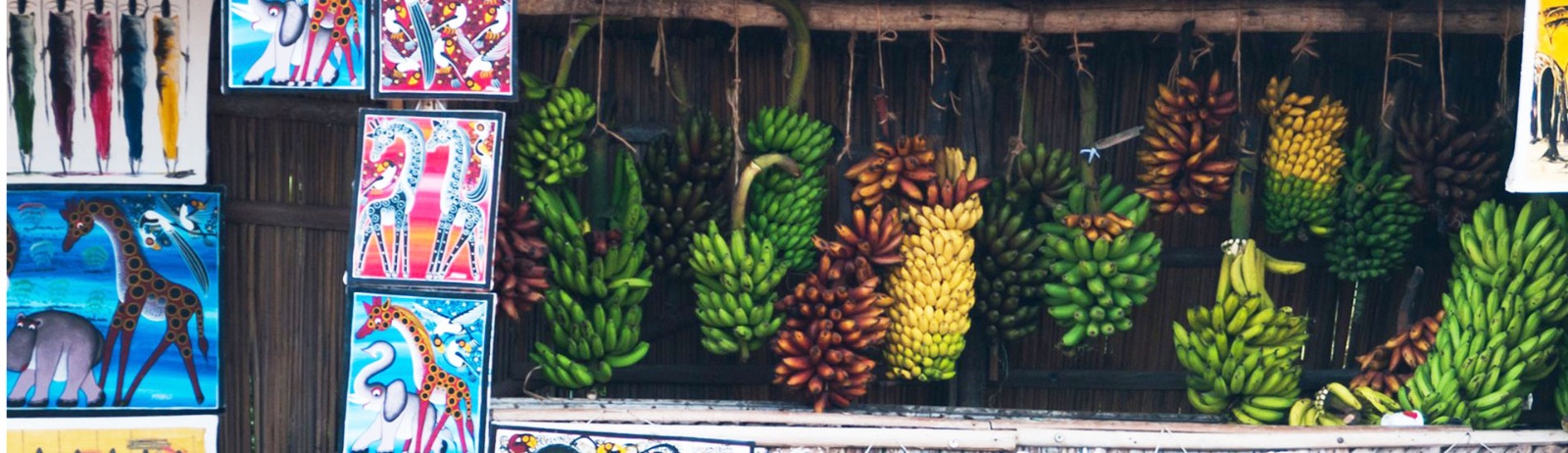
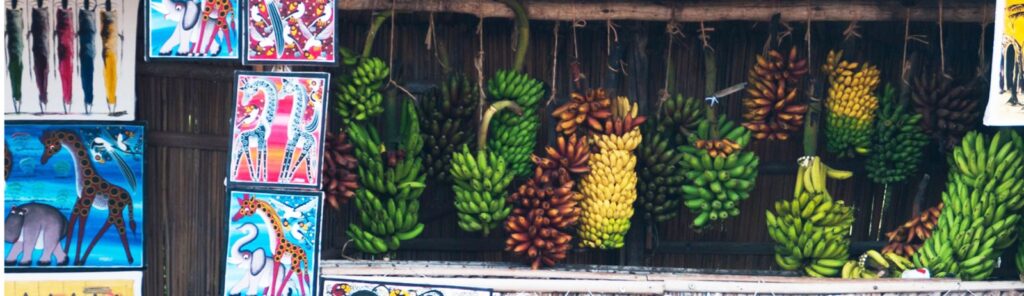
Banana plantations dominate much of the landscape, with farmers cultivating more than thirty distinct varieties. Some bananas serve as everyday food, while others go toward making local banana beer, a traditional drink enjoyed by several tribes in the area.
Rice farming also thrives here, particularly in the lower, wetter sections of the village. Maize fields stretch across drier plots, providing a staple crop for local families. Meanwhile, mango and avocado trees dot the landscape, offering shade as much as sustenance.
Vegetable farming rounds out the picture, with tomatoes, onions, and leafy greens grown in smaller household plots. Because the volcanic soil here is exceptionally fertile, farmers often harvest multiple crops throughout the year, a rare advantage in this part of Tanzania.
A banana plantation tour remains one of the most popular activities in Mto wa Mbu, and for good reason. Walking through the dense, shaded rows gives visitors a tangible sense of how deeply agriculture shapes daily life and local identity here.
Traditional Cuisine
Food carries deep cultural weight in Tanzania, and Mto wa Mbu offers an excellent introduction to its flavors. Local cooking classes and village meals give visitors a genuine taste of regional cuisine, prepared the way families have cooked for generations.
Ugali, a thick maize-based porridge, anchors most traditional meals. It pairs naturally with grilled meats, vegetables, or rich stews, soaking up flavors while providing essential energy for farm labor and daily activity.
Nyama choma, or grilled meat, holds a special place at celebrations and gatherings. Cooked slowly over open flames, it remains a favorite across nearly every tribe represented in the village. Pilau, a fragrant spiced rice dish, reflects Tanzania’s coastal and Arab culinary influences, while chapati, a soft flatbread, often accompanies both everyday meals and special occasions.
Fresh tropical fruit appears constantly here, unsurprising given the surrounding farmland. Visitors can sample mangoes, avocados, and an impressive variety of bananas, often picked just hours before serving. Local coffee, grown in the nearby highlands, and fresh fruit juices round out a typical meal.
Traditional cooking methods still rely heavily on open fires and clay pots, techniques passed down through generations rather than learned from cookbooks. For travelers interested in local food Tanzania experiences, a hands-on cooking session in Mto wa Mbu offers genuine insight into how culture and cuisine intertwine.
Cultural Tours in Mto wa Mbu
Cultural tours here focus on participation rather than passive observation. Walking tours typically last two to three hours, though full-day options exist for travelers wanting deeper immersion.
Cycling tours offer another popular way to explore. Pedaling along village paths and through banana plantations allows visitors to cover more ground while still maintaining close contact with daily village life. Munzat Safaris often recommends cycling tours for active travelers seeking a more immersive pace.
Village visits typically include stops at local markets, where vendors sell everything from fresh produce to handwoven baskets. Farm visits round out the experience, giving travelers a closer look at irrigation systems and crop rotation practices that sustain the community.
Traditional cooking classes invite hands-on participation, while art workshops introduce visitors to local craftsmanship. Throughout these experiences, community interaction remains the central focus. Guides, almost always residents themselves, encourage genuine conversation rather than rehearsed presentations.
This emphasis on authentic learning over entertainment sets Mto wa Mbu apart from more commercialized cultural stops elsewhere in Tanzania. Munzat Safaris works specifically with guides who prioritize this approach, ensuring visitors leave with genuine understanding rather than a checklist of photographs.
Local Artisans and Handicrafts
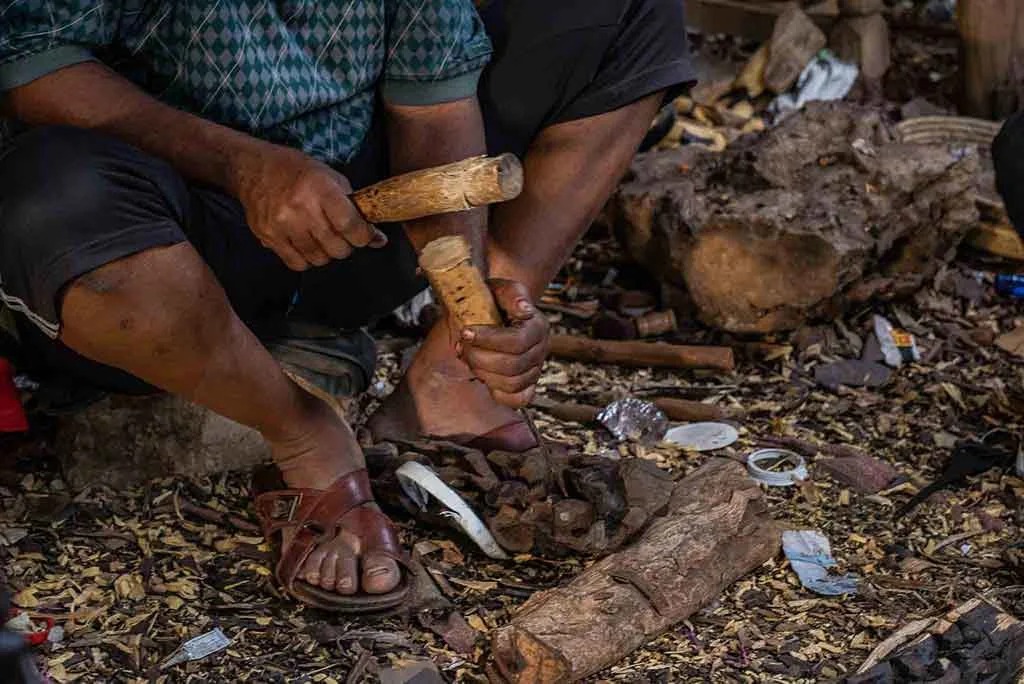
Mto wa Mbu has long served as a hub for Tanzanian craftsmanship, particularly through its connection to the Makonde people. Known throughout East Africa for intricate wood carvings, Makonde artisans create masks, figurines, and sculptures using techniques refined over generations.
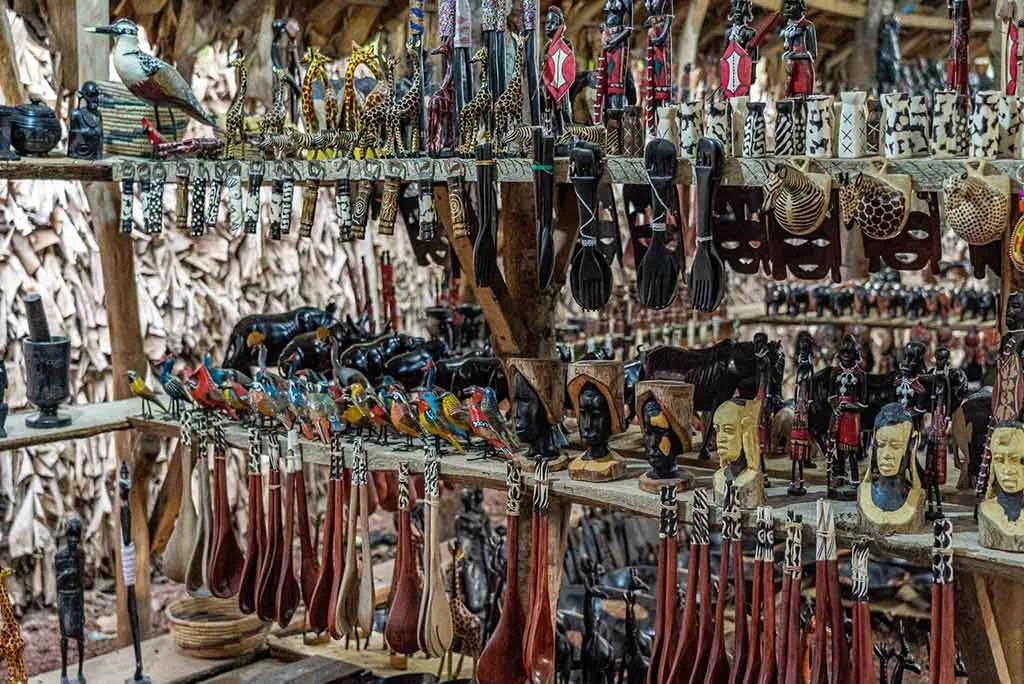
A visit to a local workshop reveals the patience this craft demands. Artisans explain their tools, the types of wood they prefer, and the cultural stories embedded in their designs. Many workshops welcome visitors to try basic carving themselves, an experience that builds genuine appreciation for the skill involved.
Beyond woodcarving, local painters depict everyday village scenes and wildlife, often using vivid colors that capture Tanzania’s landscapes. Basket weaving remains another important craft, practiced primarily by women using dried banana leaves and natural fibers.
Jewelry makers work with beads, metal, and natural materials, producing pieces that reflect the traditions of multiple tribes represented in the village. Each handmade souvenir purchased here supports an individual artisan directly, rather than disappearing into a larger commercial supply chain.
Travelers are strongly encouraged to support these local artisans directly. Purchasing crafts here provides meaningful income for families while helping preserve traditional skills that might otherwise fade as younger generations pursue different livelihoods.
Wildlife Near Mto wa Mbu
Mto wa Mbu sits practically at the entrance to Lake Manyara National Park, making it one of the most convenient wildlife additions to any Tanzania itinerary. Despite covering just 330 square kilometers, the park delivers an outsized safari experience.
Lake Manyara is best known for its tree-climbing lions, an unusual behavior rarely seen elsewhere in Africa. Researchers still debate exactly why these lions climb acacia and fig trees, though escaping heat and biting insects are the leading theories. Spotting a lion draped across a high branch remains one of the park’s signature experiences.
Elephants move through the park’s lush groundwater forest in substantial numbers, often appearing and disappearing between tree trunks like quiet giants. Giraffes, buffalo, zebra, and wildebeest populate the open grasslands, while hippos gather in large pods at the park’s well-known Hippo Pool.
Flamingos add a striking visual element when water levels cooperate. Lake Manyara’s alkaline waters support the algae these birds feed on, occasionally drawing flocks numbering in the hundreds of thousands during peak conditions.
Baboon troops here rank among the largest in Africa, frequently spotted near the park entrance in groups of several hundred individuals. Given this concentration of wildlife in such a compact area, Mto wa Mbu functions as a natural complement to any safari, offering culture and wildlife within a short drive of each other.
Birdwatching Around Lake Manyara
Beyond its mammals, Lake Manyara ranks among Tanzania’s premier birdwatching destinations. More than 400 species have been recorded within the park’s varied habitats, from groundwater forest to open wetland.
Flamingos draw the most attention, painting the lake’s shoreline pink when conditions align. Both lesser and greater flamingo species appear here, feeding on the cyanobacteria that thrive in the lake’s alkaline water.
Hornbills move through the woodland canopy with their distinctive calls, while kingfishers dart along the water’s edge hunting for fish. Raptors patrol the skies above the open plains, including various eagle and hawk species drawn to the park’s abundant prey.
Pelicans, storks, and herons gather around the wetlands in large numbers, particularly during the wet season when migratory species pass through. For photographers and birdwatching enthusiasts alike, combining a Mto wa Mbu cultural visit with a Lake Manyara birding excursion creates a remarkably full day.
Sustainable Tourism in Mto wa Mbu
Responsible travel matters here, and the village has built real infrastructure around community-based tourism. Small fees charged for cultural activities directly fund local projects, including energy-efficient stove production and irrigation system improvements.
Supporting local businesses remains central to ethical travel in Mto wa Mbu. Choosing guides from the village itself, eating at locally run restaurants, and purchasing crafts directly from artisans all channel tourism revenue back into the community rather than outside operators.
Munzat Safaris prioritizes these community connections when organizing visits, working with local guides who understand the village’s history and can speak honestly about both its strengths and ongoing challenges. This approach reflects a broader commitment to responsible tourism across all of the company’s Tanzania itineraries.
Environmental protection plays a role too. Sustainable farming practices, including careful water management from the original irrigation systems, help maintain the agricultural productivity that supports the entire village. Conservation efforts extend naturally into nearby Lake Manyara, where community cooperation helps reduce human-wildlife conflict along shared boundaries.
Best Time to Visit Mto wa Mbu
The dry season, running roughly from June through October, offers the most comfortable conditions for walking and cycling tours. Clear skies and lower humidity make extended village exploration considerably more pleasant.
The green season, from November through May, transforms the landscape with lush vegetation, though afternoon rain showers become more frequent. This period often coincides with harvest activity in the banana and rice fields, offering visitors a chance to see agricultural cycles in action.
Photography conditions vary meaningfully by season. Dry season light tends toward sharp, golden tones, ideal for portraits and landscape shots alike. Wet season visits, by contrast, reward photographers with vivid greenery and dramatic cloud formations against the Rift Valley escarpment.
Weather throughout the year remains relatively warm, with temperatures typically ranging between 17 and 30 degrees Celsius. Because cultural activities continue regardless of season, travelers can comfortably build a Mto wa Mbu stop into almost any time of year.
Nearby Attractions
Mto wa Mbu’s location places it within easy reach of several major Tanzania safari destinations, making it an efficient addition to any northern circuit itinerary.
Lake Manyara National Park sits practically next door, offering tree-climbing lions, elephants, and exceptional birdlife within a short drive. Ngorongoro Crater, roughly 60 kilometers further along the main road, delivers one of Africa’s most concentrated wildlife experiences within a single volcanic caldera. Tarangire National Park, known for its massive baobab trees and large elephant herds, lies a comfortable drive in the opposite direction.
For travelers interested in deeper cultural exploration, Lake Eyasi and its surrounding communities offer a meaningful extension. The Hadzabe community, one of Africa’s last hunter-gatherer societies, lives near the lake, alongside the Datoga community, known for traditional blacksmithing and pastoralist life. Munzat Safaris frequently combines a Mto wa Mbu cultural day with a Lake Eyasi cultural tour for travelers wanting a fuller picture of Tanzania’s indigenous communities.
Further north, the Serengeti National Park anchors most northern circuit itineraries, world-famous for its endless plains and the annual wildebeest migration. Combining these destinations into a single, well-paced itinerary requires careful planning, something Munzat Safaris handles routinely for travelers seeking a seamless Tanzania experience.
Why Explore Mto wa Mbu with Munzat Safaris?
Choosing the right operator shapes how meaningfully you experience a place like Mto wa Mbu. Munzat Safaris brings genuine local expertise to this village, working with guides who grew up in the community and understand its history beyond a standard tour script.
Every itinerary through Mto wa Mbu reflects careful, personalized planning. Whether you prefer a private family outing, a small-group cultural walk, or a longer multi-day safari itinerary built around the village, Munzat Safaris adjusts the pace and focus to match your interests and travel style.
Responsible tourism remains central to how Munzat Safaris operates here. The company works directly with local guides, artisans, and community projects, ensuring that tourism revenue genuinely benefits the village rather than bypassing it entirely. This commitment extends across all destinations the company covers, from cultural villages to national parks.
Comfortable transportation makes the journey itself easy, with well-maintained vehicles handling the drive from Arusha or connecting Mto wa Mbu smoothly with nearby parks. For travelers combining destinations, Munzat Safaris coordinates logistics across Lake Manyara, Ngorongoro Crater, Tarangire, and even cross-border itineraries linking Tanzania and Kenya, removing the guesswork from multi-stop planning.
Flexible safari packages accommodate every type of traveler, from honeymooners seeking an intimate, slower-paced visit to families looking for engaging, hands-on cultural activities for children. Photography expeditions receive particular attention too, with guides who understand the best times and locations for capturing both the village and nearby Lake Manyara’s wildlife.
Ultimately, Munzat Safaris focuses on authentic experiences over rushed itineraries. A visit to Mto wa Mbu becomes a genuine encounter with Tanzanian culture, not a brief stop wedged awkwardly between wildlife parks.
Travel Tips for Visiting Mto wa Mbu
A few practical preparations will help your visit run smoothly and respectfully.
Wear comfortable walking shoes, since most cultural tours involve significant time on foot across uneven village paths. Bring sunscreen and a reusable water bottle, particularly during the warmer dry season months.
Always ask permission before photographing people, even in public market settings. Most residents welcome respectful requests, though assuming consent can feel intrusive.
Carry cash in small denominations for local purchases, since many artisans and market vendors operate without card payment options. Respecting local customs matters throughout your visit, from modest dress to patient, genuine conversation with community members.
Hiring a knowledgeable local guide makes an enormous difference here. Beyond translation, a good guide provides context that transforms a simple walk into genuine cultural understanding. Finally, stay hydrated throughout the day, especially if combining your village visit with cycling or an extended walking tour.
Frequently Asked Questions
Where is Mto wa Mbu located? Mto wa Mbu sits in northern Tanzania’s Arusha Region, roughly 120 kilometers from Arusha town, near Lake Manyara National Park.
Is Mto wa Mbu worth visiting? Yes, particularly for travelers interested in cultural tourism. The village offers genuine insight into Tanzanian daily life, agriculture, and craftsmanship rarely found elsewhere on a typical safari route.
What is Mto wa Mbu famous for? The village is best known for its extraordinary cultural diversity, home to representatives from more than 120 Tanzanian tribes living together peacefully.
How many tribes live in Mto wa Mbu? Estimates consistently place the number at more than 120 distinct tribes, making it one of the most multicultural towns in Tanzania.
Is Mto wa Mbu safe for tourists? Generally yes. The village maintains an established cultural tourism program, and visiting with a reputable guide further ensures a smooth, secure experience.
What cultural experiences are available in Mto wa Mbu? Visitors can enjoy walking and cycling tours, banana plantation visits, traditional cooking classes, market exploration, and Makonde woodcarving workshops, among other activities.
How much time should I spend in Mto wa Mbu? Half a day provides a solid introduction, though a full day allows for deeper engagement with farming, cooking, and artisan workshops.
Can I visit Mto wa Mbu as part of a larger safari? Absolutely. Most travelers combine Mto wa Mbu with Lake Manyara National Park and continue onward toward Ngorongoro Crater and the Serengeti, exactly the kind of itinerary Munzat Safaris arranges regularly.
What is the best time of year to visit Mto wa Mbu? The dry season, from June through October, offers the most comfortable walking conditions, though cultural activities continue year-round regardless of season.
Does Mto wa Mbu have good food options for visitors? Yes, the village offers excellent opportunities to sample traditional Tanzanian cuisine, including ugali, nyama choma, and pilau, often through hands-on cooking experiences.
Discover Tanzania Beyond the Wildlife
Tanzania’s national parks rightfully draw travelers from across the world, but Mto wa Mbu reveals something equally valuable: the texture of everyday Tanzanian life. Between its banana plantations, bustling markets, and remarkable cultural diversity, this small village offers a depth of experience that lingers long after the wildlife photographs fade.
A visit here rewards curiosity. Authentic culture, genuine hospitality, and delicious food combine to create the kind of meaningful travel memory that goes well beyond a typical safari checklist. Ready to experience Mto wa Mbu for yourself? Let Munzat Safaris help you design a personalized Tanzania itinerary that pairs unforgettable wildlife encounters with authentic cultural immersion. Whether this is your first African safari or your return visit to explore more of the region, our team will build a tailor-made journey around your interests, pace, and budget. Reach out to Munzat Safaris today for a customized quotation, and let us bring Mto wa Mbu, Lake Manyara, and the rest of Tanzania’s Northern Circuit into one unforgettable adventure.