Is a Tanzania Safari Worth It? The Short Answer Is Yes—But It Depends on the Experience You’re Looking For.
If you’ve started researching African safaris, you’ve probably asked yourself one important question:

“Is a Tanzania safari really worth the cost?”
It’s a fair question. A safari is one of the biggest travel investments many people ever make. Between international flights, park fees, accommodation, and guided game drives, a safari isn’t the cheapest holiday. Yet year after year, thousands of travelers leave Tanzania saying the same thing:
“It was the best trip of my life.”
So what makes Tanzania so special?
Is it the famous Serengeti?
The legendary Ngorongoro Crater?
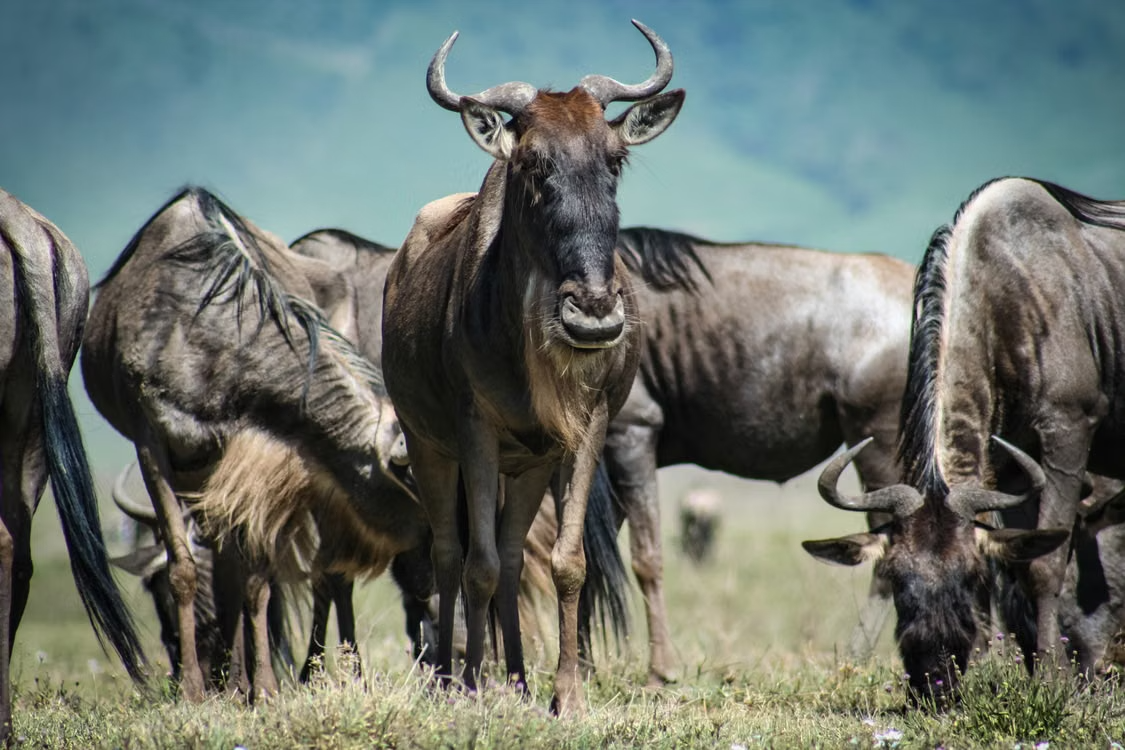
The Great Wildebeest Migration?
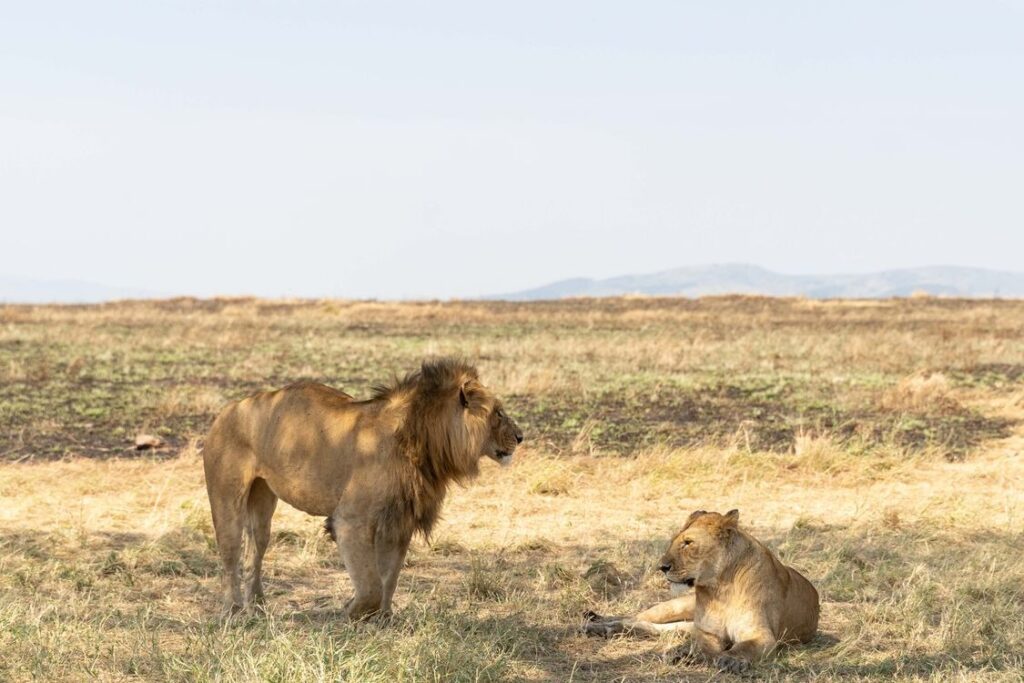
Or is it simply the feeling of watching wild lions roam free while the African sun sets over endless golden plains?
The truth is, Tanzania offers something very few destinations in the world can match: one of the last truly wild places on Earth. Unlike many wildlife destinations where animals live in relatively small reserves, Tanzania still has enormous ecosystems where wildlife moves naturally across vast landscapes. Here, nature follows its own rhythm—not a schedule created for tourists. That’s what makes a Tanzania safari unforgettable. In this guide, we’ll explore everything you need to know before booking—from the incredible wildlife and national parks to costs, best travel seasons, and whether Tanzania is the right safari destination for you.
What Makes Tanzania So Special?
Tanzania is home to some of the most famous safari destinations on the planet. More importantly, they’re all remarkably different. Instead of offering one type of safari, Tanzania gives travelers a variety of landscapes and experiences. One day you could be surrounded by giant baobab trees in Tarangire.
The next day, you’re standing on the rim of an ancient volcanic crater. A few days later, you’re watching thousands of wildebeest crossing the Serengeti. Then you finish your holiday relaxing on the turquoise beaches of Zanzibar. Few countries offer such variety within a single itinerary.
Serengeti National Park: Africa’s Greatest Wildlife Show
If Tanzania has an icon, it’s undoubtedly the Serengeti. Covering nearly 15,000 square kilometers, the Serengeti is one of Africa’s oldest and most celebrated national parks. The name itself comes from the Maasai word “Siringet,” meaning endless plains. And that’s exactly what you’ll find.

As far as the eye can see stretches open savannah dotted with acacia trees, granite kopjes, and an astonishing concentration of wildlife. The Serengeti is best known as the stage for the Great Wildebeest Migration, often called the greatest wildlife spectacle on Earth.
Every year, more than 1.5 million wildebeest, accompanied by hundreds of thousands of zebras and gazelles, move across the Serengeti ecosystem in search of fresh grazing. Following closely behind are lions, cheetahs, hyenas, crocodiles, and leopards.
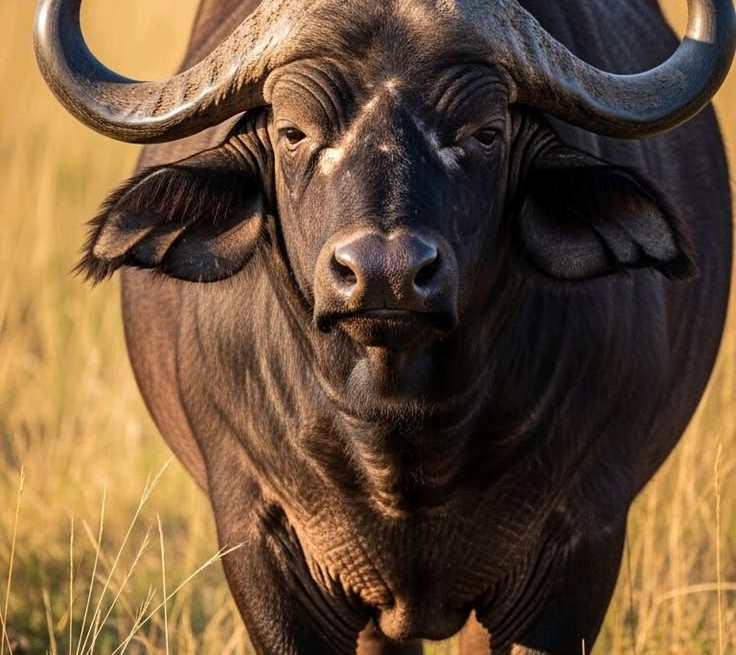
This is nature at its most dramatic. But here’s something many first-time visitors don’t realize: Even outside migration season, the Serengeti offers exceptional game viewing. Large prides of lions remain year-round. Leopards lounge in sausage trees. Cheetahs scan the plains from termite mounds. Elephants, giraffes, buffalo, hippos, and countless antelope species make every game drive rewarding.
If your dream is to experience the Africa you’ve seen in documentaries, the Serengeti almost always delivers.
Ngorongoro Crater: The World’s Largest Intact Volcanic Caldera
Few places leave visitors speechless quite like Ngorongoro. Around two to three million years ago, a massive volcano collapsed inward, forming what is now the largest intact volcanic caldera in the world. Today, this natural amphitheater protects one of Africa’s highest concentrations of wildlife.
Descending into the crater feels almost surreal. Within a relatively small area, you’ll find:
- Lions
- Black rhinos
- Elephants
- Buffalo
- Hippos
- Hyenas
- Jackals
- Flamingos
- Zebras
- Wildebeest
Because wildlife rarely leaves the crater, game viewing here is exceptionally reliable. Many visitors complete an entire Big Five checklist in a single day. The scenery is equally breathtaking. Steep forested walls surround open grasslands, freshwater lakes, marshes, and acacia woodlands, creating one of the most photogenic landscapes in Africa.
Tarangire National Park: Tanzania’s Hidden Gem
Ask experienced safari guides about their favorite park, and many quietly mention Tarangire. Although often overshadowed by the Serengeti, Tarangire has its own magic. It’s famous for three things:
Massive Elephant Herds
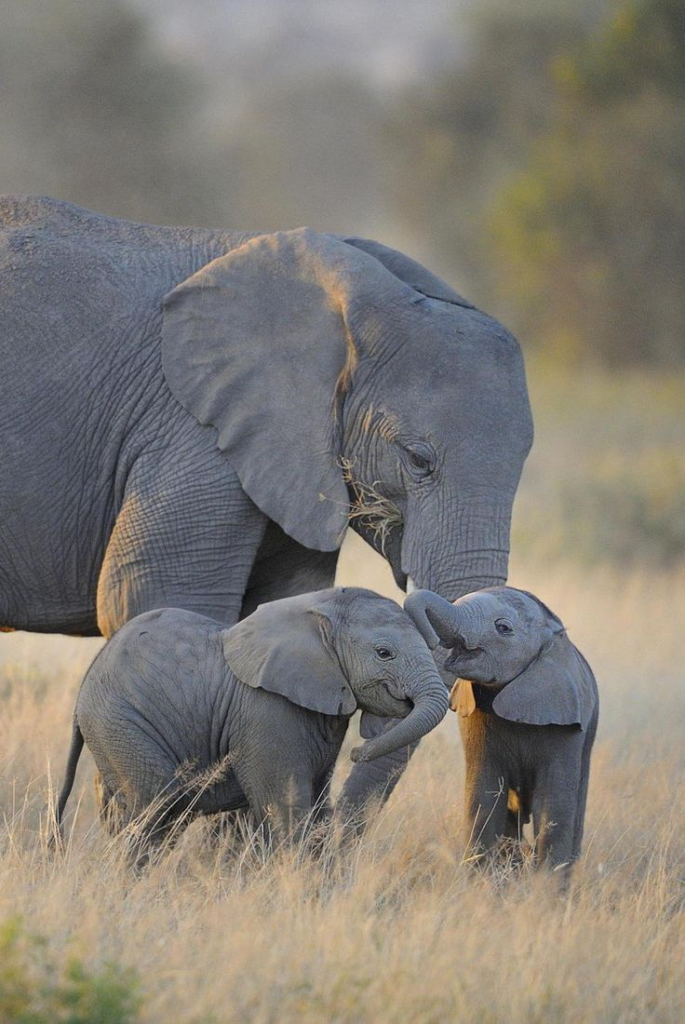
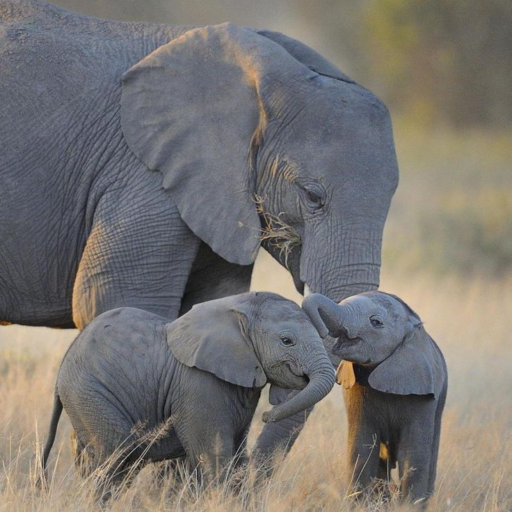
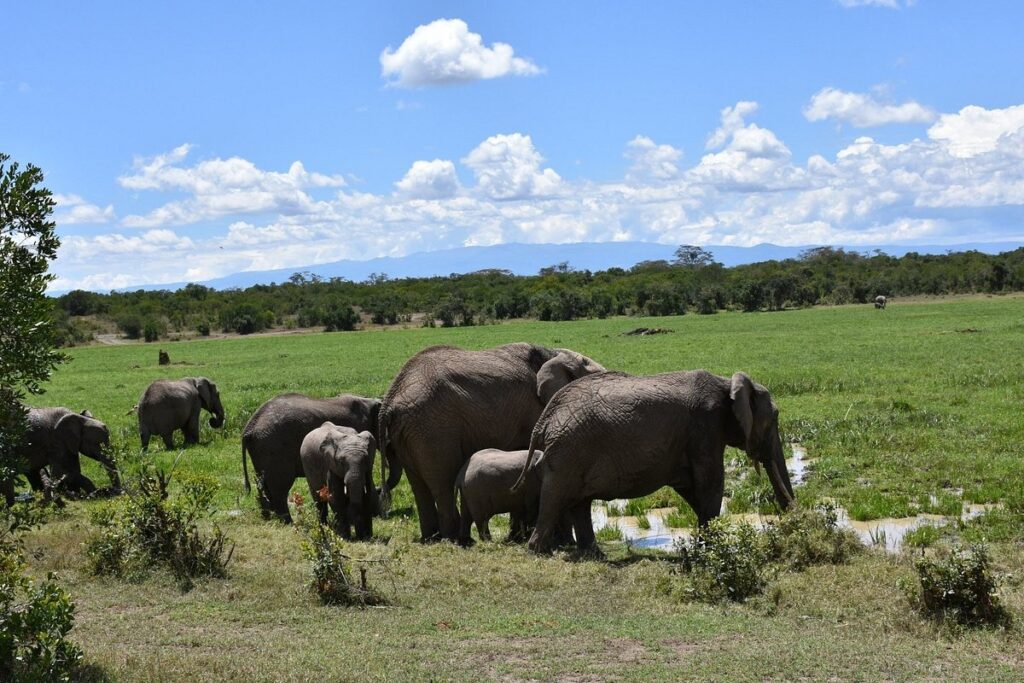
Tarangire has one of the highest elephant populations in East Africa. During the dry season, families numbering over 100 elephants gather around the Tarangire River. Watching young calves interact while giant bulls stroll nearby is unforgettable.
Ancient Baobab Trees
Towering baobabs dominate the landscape. Some are believed to be more than a thousand years old. Their enormous trunks create dramatic safari photographs unlike anywhere else.
Fewer Crowds
Compared with the Serengeti or Ngorongoro, Tarangire feels quieter. You may spend long periods watching wildlife without another vehicle nearby. For travelers seeking a more exclusive safari experience, that’s a major advantage.
Lake Manyara National Park: Small Park, Big Surprises
Lake Manyara may not receive as much attention as Tanzania’s larger parks, but it consistently surprises visitors. Despite its relatively small size, it packs remarkable diversity into a compact area. The park features:
- Underground forests
- Groundwater springs
- Acacia woodland
- Open grassland
- The alkaline Lake Manyara itself
It’s particularly famous for:
- Tree-climbing lions
- Thousands of flamingos (season permitting)
- Hippos
- Blue monkeys
- Olive baboons
- Over 400 bird species
Birdwatchers especially appreciate Lake Manyara, where every game drive offers opportunities to spot colorful kingfishers, hornbills, pelicans, and fish eagles.
Wildlife Encounters That Stay With You Forever
A Tanzania safari isn’t simply about ticking animals off a checklist. It’s about witnessing moments you’ll remember for years. Perhaps it’s watching a lioness patiently stalk prey through golden grass. Or seeing an elephant gently help its calf climb a riverbank. Maybe it’s hearing hyenas call beneath a sky full of stars.
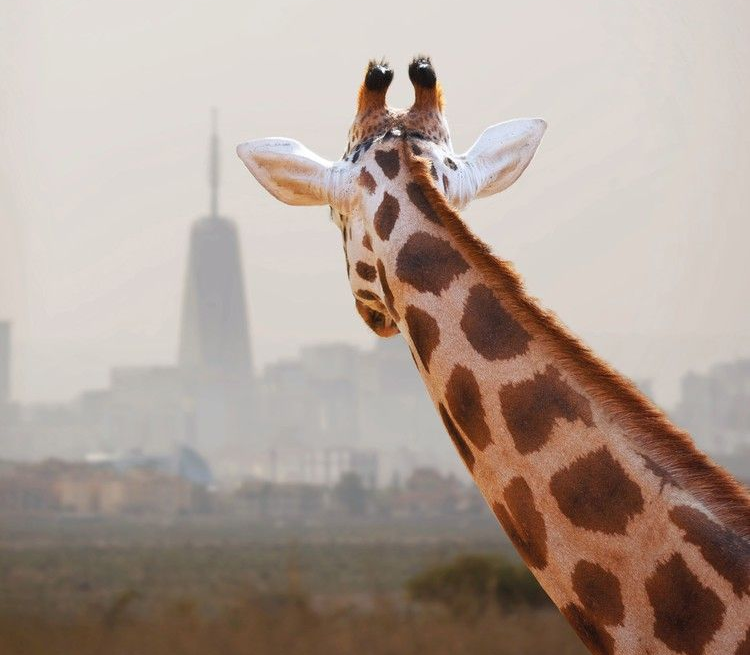
Or watching giraffes silhouetted against a fiery African sunset. These aren’t staged experiences. They’re entirely natural. Every safari is different because wildlife doesn’t follow scripts. That’s what keeps even experienced safari travelers coming back. The unpredictability makes every game drive exciting. You never know what waits around the next corner.
It’s More Than Just Wildlife
One of Tanzania’s greatest strengths is that a safari doesn’t have to end when the game drives do. Travelers can also experience:
- Authentic Maasai cultural visits
- Hadzabe hunter-gatherer experiences near Lake Eyasi
- Datoga cultural villages
- Coffee farm tours
- Walking safaris
- Hot air balloon safaris over the Serengeti
- Canoeing excursions
- Mountain adventures including Mount Kilimanjaro
- Beach holidays in Zanzibar
This diversity allows visitors to create a journey that’s far more immersive than simply driving through national parks. Whether you’re interested in culture, photography, adventure, conservation, or relaxation, Tanzania offers experiences that extend well beyond wildlife.
Tanzania vs. Kenya: Which Safari Destination Is Better?
This is one of the most common questions travelers ask, and it’s easy to see why. Kenya and Tanzania share the same ecosystems in many places, including the famous Serengeti-Maasai Mara ecosystem. Both offer incredible wildlife, professional safari guides, and unforgettable landscapes. So, which one is better? The honest answer is neither. They simply offer different experiences.
Choose Tanzania if you:
- Want to explore larger, more remote national parks.
- Prefer fewer crowds, especially outside peak migration months.
- Dream of visiting the Serengeti and Ngorongoro Crater.
- Plan to combine your safari with a beach holiday in Zanzibar.
- Enjoy longer, immersive safari experiences.
Choose Kenya if you:
- Are visiting Africa for the first time and want easier logistics.
- Want shorter driving distances between parks.
- Plan to travel during the Mara River crossing season.
- Prefer a wider variety of conservancies offering night drives and walking safaris.
- Have a slightly tighter budget.
Many seasoned safari travelers eventually visit both countries because each has something unique to offer. Our recommendation at Munzat Safaris: If your schedule and budget allow, consider combining Kenya and Tanzania into one seamless East African safari. Crossing from the Maasai Mara into the Serengeti lets you experience one of the world’s greatest wildlife ecosystems from both sides of the border.
How Much Does a Tanzania Safari Cost?
One reason people ask whether a Tanzania safari is worth it is the price. Safaris are a significant investment, and Tanzania is generally more expensive than many first-time visitors expect. However, understanding where your money goes helps explain the value.
A safari package typically includes:
- National park entrance fees
- Conservation fees
- Professional safari guide
- Private or shared safari vehicle
- Fuel
- Accommodation
- Meals
- Drinking water during game drives
- Airport transfers (depending on the itinerary)
International flights, visas, travel insurance, drinks, and tips are usually additional.
Typical Price Ranges
While prices vary depending on the season and level of accommodation, here’s a general guide:
Budget Safari
Ideal for adventurous travelers who are comfortable staying in public campsites or simple lodges.
- Shared or group safaris
- Basic but comfortable accommodation
- Excellent wildlife experience
- Best for backpackers and younger travelers
Mid-Range Safari
The most popular option. Expect:
- Comfortable lodges or tented camps
- Private bathrooms
- Better dining
- Smaller groups or private vehicle options
- High-quality service without luxury pricing
Luxury Safari
Perfect for honeymooners or travelers seeking exceptional comfort.
Luxury safaris often include:
- Exclusive camps
- Premium lodges
- Fine dining
- Personalized service
- Spacious suites
- Incredible views
- Private plunge pools in some properties
- Fly-in safari options
Although luxury safaris cost more, many guests feel the experience justifies every dollar.
Why Are Tanzania Safaris More Expensive?
This surprises many visitors. The higher price isn’t because operators are charging more profit. Several factors contribute:
Higher Park Fees
National park fees in Tanzania are among the highest in Africa. These fees help fund wildlife conservation, anti-poaching initiatives, infrastructure, and community projects.
Longer Distances
Tanzania is vast. Driving between parks often takes several hours, increasing fuel and operational costs.
Protected Conservation Areas
Many famous parks, including the Serengeti and Ngorongoro Conservation Area, require additional conservation fees.
Premium Wildlife Experiences
Tanzania protects enormous wilderness areas with relatively low human populations. Maintaining these ecosystems requires significant investment. When viewed this way, your safari contributes directly to preserving one of the world’s greatest wildlife destinations.
Is Tanzania Good for First-Time Safari Travelers?
Absolutely. Many people assume Kenya is the only option for first-time visitors, but Tanzania is equally rewarding. A well-planned itinerary covering:
- Tarangire National Park
- Ngorongoro Crater
- Serengeti National Park
offers an incredible introduction to African wildlife. Within a week, visitors often see:
- Lions
- Leopards
- Elephants
- Buffalo
- Rhinos
- Giraffes
- Hippos
- Crocodiles
- Cheetahs
- Hyenas
- Zebras
- Wildebeest
- Hundreds of bird species
The diversity is remarkable.
What Are the Biggest Advantages of a Tanzania Safari?
1. Incredible Wildlife Density
Few places rival Tanzania’s wildlife abundance. Large predators, elephants, giraffes, buffalo, antelope, and countless bird species create unforgettable game drives throughout the year.
2. The Great Wildebeest Migration
Seeing over a million wildebeest moving across the plains is something no documentary can truly prepare you for. It’s loud. It’s chaotic. It’s emotional. And it’s one of the greatest natural spectacles on Earth.
3. World-Class National Parks
Tanzania’s protected areas are globally recognized for good reason. Each park offers a completely different landscape and wildlife experience. Instead of feeling repetitive, every day brings something new.
4. Fewer Vehicles in Many Areas
While some famous wildlife sightings naturally attract multiple safari vehicles, much of Tanzania still feels wonderfully uncrowded. In parks like Tarangire, Ruaha, Katavi, or Nyerere, you can enjoy long stretches without seeing another vehicle. That sense of wilderness is one of Tanzania’s greatest strengths.
5. Diverse Experiences
A Tanzania holiday can include:
- Safari
- Beach
- Culture
- Hiking
- Balloon safaris
- Walking safaris
- Coffee tours
- Historical sites
- Marine adventures in Zanzibar
Very few countries offer this variety within one itinerary.
What Are the Downsides?
No destination is perfect. Here are a few things to consider before booking.
Long Driving Days
Some parks are several hours apart. While the scenery is beautiful, travelers should expect a few longer road transfers unless they choose domestic flights.
Higher Costs
As discussed earlier, Tanzania generally costs more than neighboring Kenya. For travelers on a strict budget, this may influence the itinerary or travel season.
Peak Season Crowds
The Serengeti can become busier during the migration. Working with an experienced safari operator helps you avoid the busiest areas while still enjoying exceptional wildlife.
Limited Nightlife
If you’re expecting nightlife after game drives, Tanzania isn’t the destination for that. Evenings are usually spent around campfires, enjoying dinner, listening to wildlife, and stargazing. For most safari travelers, that’s part of the charm.
Who Should Choose Tanzania?
A Tanzania safari is ideal for:
Couples
Romantic sunsets, luxury tented camps, and private game drives create unforgettable memories.
Honeymooners
Many luxury lodges offer honeymoon packages with private dining, spa treatments, and exclusive experiences. Adding Zanzibar creates the perfect safari-and-beach honeymoon.
Families
Children love seeing wildlife in its natural habitat. Many lodges also provide family-friendly accommodations and educational activities.
Wildlife Photographers
Tanzania offers endless photographic opportunities, from dramatic predator action to breathtaking landscapes and colorful birdlife. Morning and evening light can be spectacular.
Repeat Safari Travelers
Visitors returning to Africa often choose Tanzania for its vast wilderness and deeper safari experiences.
Nature Lovers
If your idea of a perfect holiday is disconnecting from busy cities and reconnecting with nature, Tanzania delivers in abundance.
When Is the Best Time to Visit Tanzania?
There isn’t one perfect month—it depends on what you want to experience.
June to October
- Dry season
- Excellent wildlife viewing
- Cooler temperatures
- Peak safari season
Ideal for first-time visitors.
January to March
This period is famous for the wildebeest calving season in the southern Serengeti. Thousands of calves are born within weeks, attracting lions, cheetahs, and hyenas. It’s one of the best times for predator action.
November and December
Short rains transform the landscape into lush green plains. Birdwatching becomes exceptional, and visitor numbers are lower.
April and May
Heavy rains occur during these months. Some camps close temporarily, but travelers who don’t mind occasional rain often benefit from lower prices and quieter parks.
So… Is Tanzania Safari Worth the Money?
If you’re looking for:
- Extraordinary wildlife
- Stunning landscapes
- Authentic safari experiences
- Professional guiding
- Memorable cultural encounters
- Once-in-a-lifetime adventures
then the answer is yes. A Tanzania safari isn’t simply a vacation. It’s an investment in experiences you’ll remember for decades. The stories, photographs, and moments you’ll take home often become priceless.