What Happens on a Typical Safari Day
If you’re planning your first safari in Kenya or Tanzania, one question probably comes to mind:
“What actually happens during a typical safari day?” Many first-time travelers imagine spending the entire day driving around searching for wildlife. Others think every minute will be filled with dramatic lion hunts and river crossings. The reality is much more rewarding.
A well-planned safari follows the rhythm of nature. Every early morning wake-up, every game drive, every meal, and every rest period is designed around when wildlife is most active. The goal isn’t to spend the most hours in a vehicle—it’s to experience Africa at the right moments.
At Munzat Safaris, we’ve guided travelers from all over the world across Kenya and Tanzania. One thing we’ve learned is that the best safari days aren’t rushed. They’re carefully balanced to combine incredible wildlife encounters with relaxation, comfort, and unforgettable memories. Here’s what a typical safari day really looks like.
Your Safari Starts Before Sunrise
The alarm usually goes off around 5:30 a.m. While that may sound early for a holiday, there’s a very good reason. The first few hours after sunrise are when the African wilderness comes alive. Overnight temperatures are still cool, predators are finishing their hunts or beginning to search for prey, and herbivores start grazing before the heat of the day arrives.
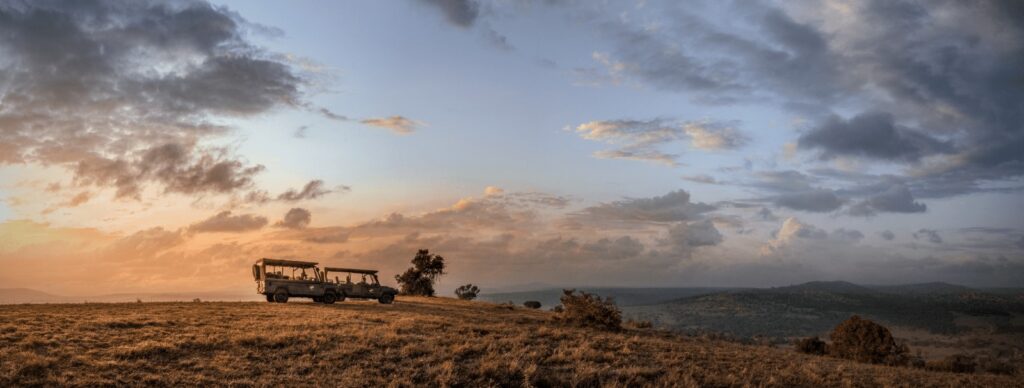
This is often the best opportunity to witness wildlife behaving naturally. You may watch lions returning after a successful hunt, hyenas searching for leftovers, elephants moving quietly across the plains, or a leopard disappearing into the tall grass before daylight becomes stronger. Guests can enjoy a light breakfast before departure or carry a packed breakfast into the bush. For those looking for something extra special, a bush breakfast at sunrise is one of the most memorable experiences you can have on safari.
Watching the African sun rise over the savannah while enjoying breakfast surrounded by nature is something no photograph can truly capture.
Morning Game Drives Offer the Best Wildlife Viewing
Morning game drives are widely considered the highlight of the safari day. Professional guides know exactly why. As temperatures rise later in the morning, many predators retreat into thick vegetation or beneath trees to escape the heat. That makes early mornings the ideal time to search for lions, leopards, cheetahs, and hyenas.
Experienced guides also know how to read the bush. They communicate with other guides about recent sightings, identify fresh tracks, observe bird behaviour, and understand where predators are likely to be based on years of experience. Guests are often surprised that safari guiding involves far more than driving. It’s tracking, interpreting nature, and knowing where to be at exactly the right time.
Midday Is the Perfect Time to Slow Down
After several exciting hours in the bush, guests usually have two options. Some continue with a full-day game drive, carrying picnic lunches and spending the entire day exploring the national park. Others return to their lodge or camp to relax.
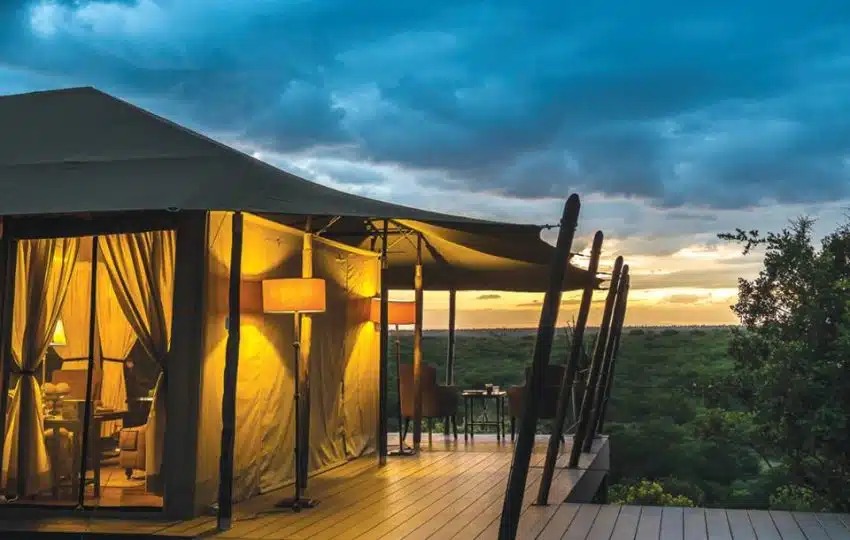
Luxury safaris are designed with this balance in mind. During the hottest hours of the day, many animals become less active, making it the perfect opportunity to enjoy lunch, swim, read a book overlooking the wilderness, or simply rest before the afternoon adventure begins. One of the biggest mistakes first-time travelers make is believing they need to be constantly moving.
The truth is that rest is part of the safari experience.
The Bush Comes Alive Again in the Evening
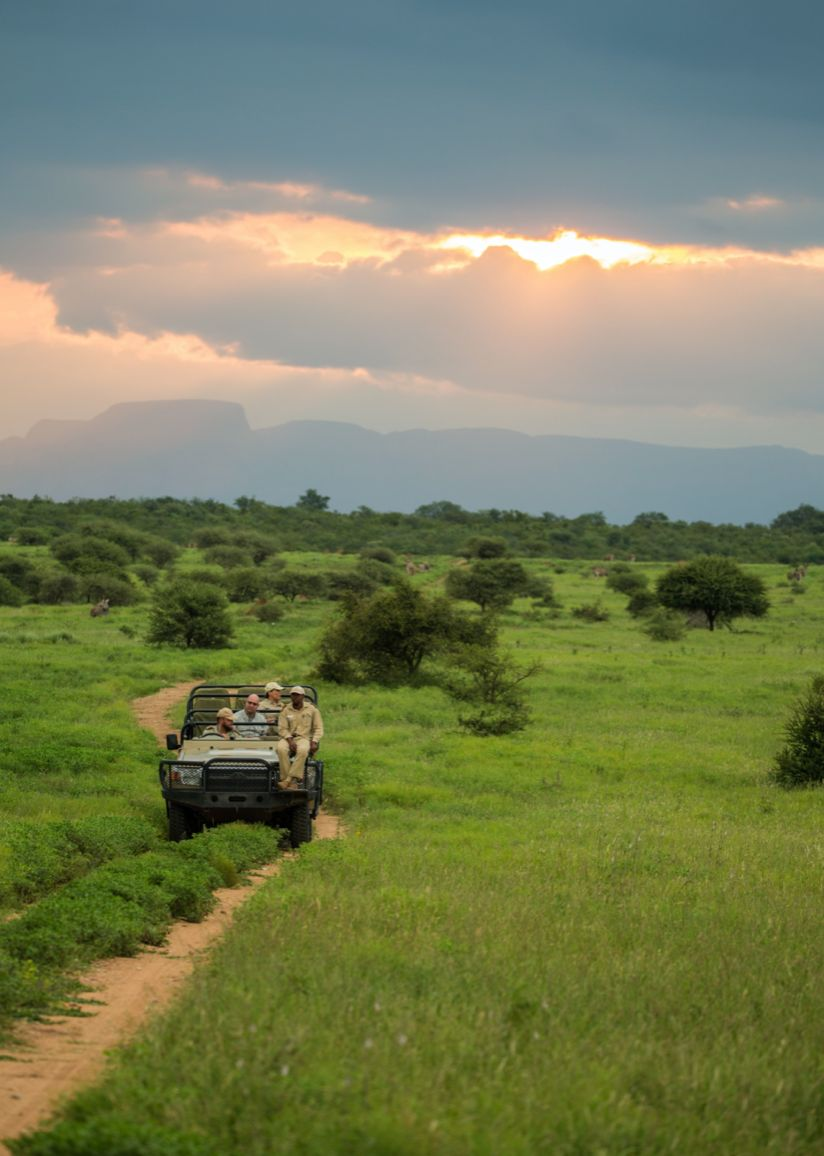
Around 3:00 p.m., guests head back into the park for the afternoon game drive. As temperatures begin to cool, wildlife becomes active once again. Elephants leave the shade to feed. Giraffes browse among the acacia trees. Predators begin preparing for another evening of hunting.
The golden afternoon light also creates some of the most spectacular photography conditions you’ll ever experience. For photographers, this is often the favourite time of day.
Sunset Is One of Safari’s Most Magical Moments
No two African sunsets are ever the same. Depending on your itinerary, your guide may stop at a scenic viewpoint where you can enjoy a sundowner while watching the sun disappear beyond the horizon.
The changing colours across the sky, combined with the sounds of birds returning to roost and distant wildlife calls, create an atmosphere that is impossible to describe until you’ve experienced it yourself. These are often the quiet moments guests remember most.
Evenings Are About Relaxation and Preparation
After returning to camp, guests have time to shower, relax, and enjoy dinner. Depending on the lodge and safari style, dinner may be served in the main dining area, around a campfire, or even as a private bush dinner under the stars. Before the evening ends, guides usually brief guests on the following day’s activities. If tomorrow involves travelling to another park, an early departure, or a special activity such as a balloon safari, guests know exactly what to expect.
This preparation helps every safari day run smoothly.
The Biggest Surprise First-Time Travelers Experience
After guiding hundreds of first-time visitors, I’ve noticed that almost everyone is surprised by the same things. The first is how close they get to wildlife. Many expect to see lions through binoculars in the distance. Instead, they often find themselves only a few metres away from a pride resting beside the road. The second surprise is how peaceful the wilderness feels.
People imagine famous parks like the Maasai Mara, Serengeti, Amboseli, and Samburu being crowded with vehicles everywhere they look. In reality, much of the day is incredibly peaceful. You hear birds calling.
The wind moving through the grass. Sometimes, if you’re lucky, the distant roar of a lion marking its territory.
It’s a silence that many people never forget.
When Nature Doesn’t Follow the Script
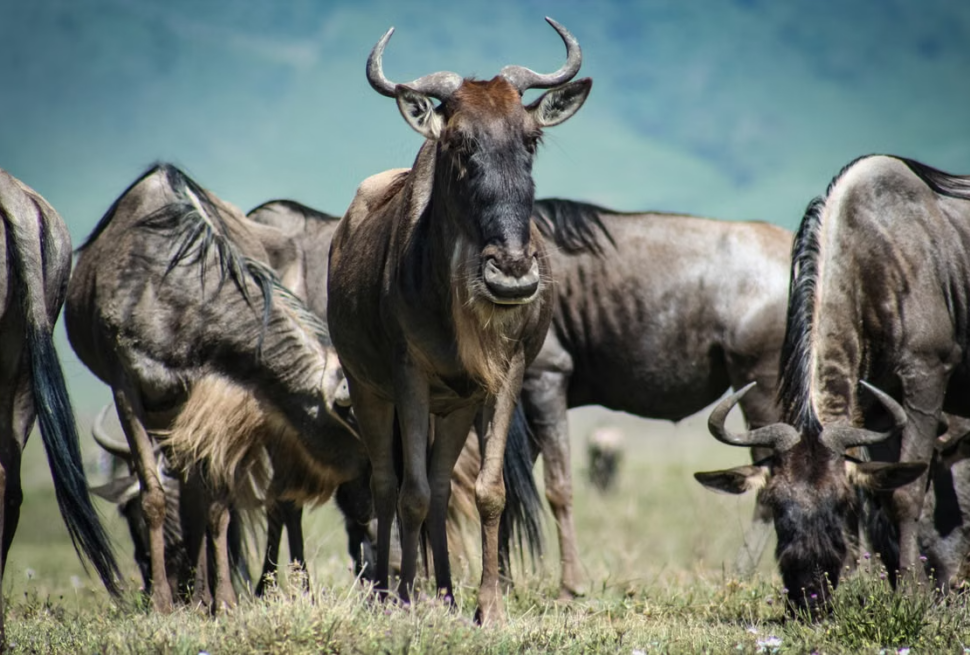
One safari I will always remember involved guests who travelled specifically to witness the Great Wildebeest Migration crossing the Mara River. They booked their holiday in early July because many people associate July with migration season. For hours, we watched enormous herds gather at the riverbank. They approached the water several times.
Then they turned around. Not a single crossing happened. Naturally, our guests were disappointed. But this is where experience matters. One of our professional guides received a radio update from another guide about a female leopard with cubs that had been spotted elsewhere in the reserve.
We drove to the location and spent the next few hours watching one of the rarest wildlife encounters imaginable. The guests captured incredible photographs and watched behaviour they had never expected to see. By the end of the safari, nobody was talking about the migration they had missed. They were talking about the leopard family they would remember for the rest of their lives. That experience reminded all of us that the best safari memories are often the ones you never planned.
Common Mistakes That Can Reduce Your Safari Experience
Over the years, I’ve noticed several mistakes that prevent first-time travelers from getting the most out of their safari. The first is missing the early morning game drive. It’s understandable—safaris can be tiring—but those first hours of daylight offer the best wildlife viewing of the day. Another mistake is trying to see everything. Many guests arrive with a checklist of animals they want to tick off. The problem is that nature doesn’t work on a schedule. Sometimes the most extraordinary moments happen because you stayed an extra twenty minutes watching one elephant family instead of rushing to the next sighting. I’ve also seen guests spend more time looking through their phones than looking at Africa itself.
Photographs are wonderful. But the stories behind those photographs—the behaviour, the sounds, the atmosphere—are what truly make a safari unforgettable. Finally, wearing the wrong clothing can make the day uncomfortable. Neutral colours like khaki, beige, olive green, and light grey are ideal. Bright colours should generally be avoided, and in some regions, dark blue and black can attract tsetse flies.
Simple preparation goes a long way.
Every Safari Day Is Different
One of the reasons people return to Africa again and again is because no two safari days are ever the same. You can drive the same road twice and experience something completely different. One day may be filled with elephants. The next with lions. Another with thousands of migrating wildebeest. Or perhaps your favourite memory won’t involve wildlife at all.
It might be watching the sunrise over the savannah. Sharing stories around the campfire. Or enjoying complete silence while surrounded by Africa’s incredible landscapes. That’s the beauty of safari.
Nature writes the itinerary.
Final Thoughts
If there’s one piece of advice I give every first-time safari traveler, it’s this:
Slow down. Don’t try to squeeze too many parks into a few days. Don’t rush from one sighting to the next. Allow yourself to experience each destination fully. Some of the greatest safari moments aren’t the ones you planned. They’re the ones that happen when you’re patient enough to let Africa reveal itself. At Munzat Safaris, we believe that a safari isn’t measured by how many animals you see.
It’s measured by the memories you take home. And those memories begin long before the first lion appears—they begin with the sunrise, the sounds of the wilderness, and the excitement of not knowing what the next moment will bring.