
Introduction
Just a few kilometers from the busy streets of Nairobi lies one of the most extraordinary wildlife destinations in the world — Nairobi National Park. Often described as “the world’s only wildlife capital,” this remarkable protected area offers visitors the rare opportunity to see lions, rhinos, giraffes, and other iconic African wildlife with the skyline of a modern city in the background.
Established in 1946, the park was the first national park in Kenya and remains one of the most unique conservation areas in Africa. Despite its proximity to urban development, the park supports a thriving ecosystem of grasslands, riverine forests, and seasonal wetlands that host hundreds of wildlife species.
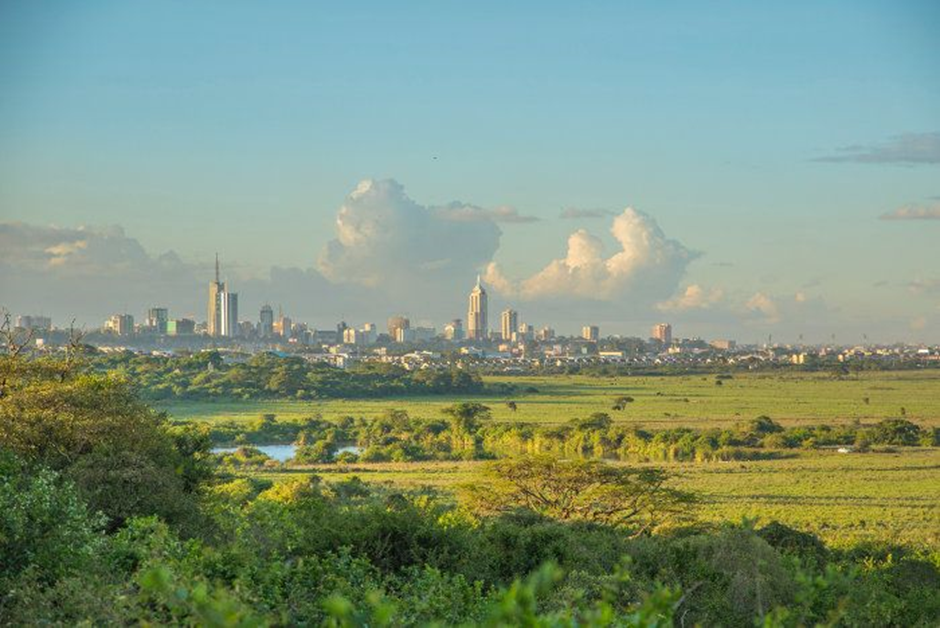
For travelers visiting Nairobi for business, conferences, or short stopovers, the park offers the perfect half-day or full-day safari experience without traveling long distances. In fact, many visitors are surprised that within 30 minutes of leaving the airport, they can be watching a pride of lions roaming the savannah. Whether you are a first-time visitor to Kenya or an experienced safari enthusiast, Nairobi National Park offers a truly unforgettable introduction to Africa’s wildlife and natural beauty.
Overview of Nairobi National Park
Located approximately 7 kilometers south of downtown Nairobi, Nairobi National Park covers about 117 square kilometers of open plains, acacia bushland, and scattered rocky valleys. While smaller than many of Kenya’s famous safari destinations, the park’s biodiversity is impressive.The park is managed by the Kenya Wildlife Service and plays a vital role in protecting endangered wildlife species, particularly the black rhino.
One of the most striking features of the park is its dramatic contrast between wilderness and urban life. Visitors often photograph giraffes or rhinos grazing peacefully while Nairobi’s skyscrapers rise in the distance — a scene found nowhere else in the world. The southern boundary of the park is open, allowing wildlife to migrate into the vast plains of the Kitengela Conservation Area. This migration corridor is essential for maintaining healthy wildlife populations within the park ecosystem. Because of its location near the capital city, the park has become one of the most accessible safari destinations in Africa. Travelers can arrive in Nairobi in the morning and enjoy a wildlife safari just hours later.
Wildlife in Nairobi National Park
Despite being located on the outskirts of a major city, Nairobi National Park supports an impressive diversity of wildlife. The park is home to more than 100 mammal species and over 400 recorded bird species, making it one of the richest wildlife habitats close to an urban environment anywhere in the world. Its open grasslands, scattered acacia bushes, riverine forests, and seasonal wetlands provide the perfect ecosystem for a wide range of animals that roam freely across the landscape.
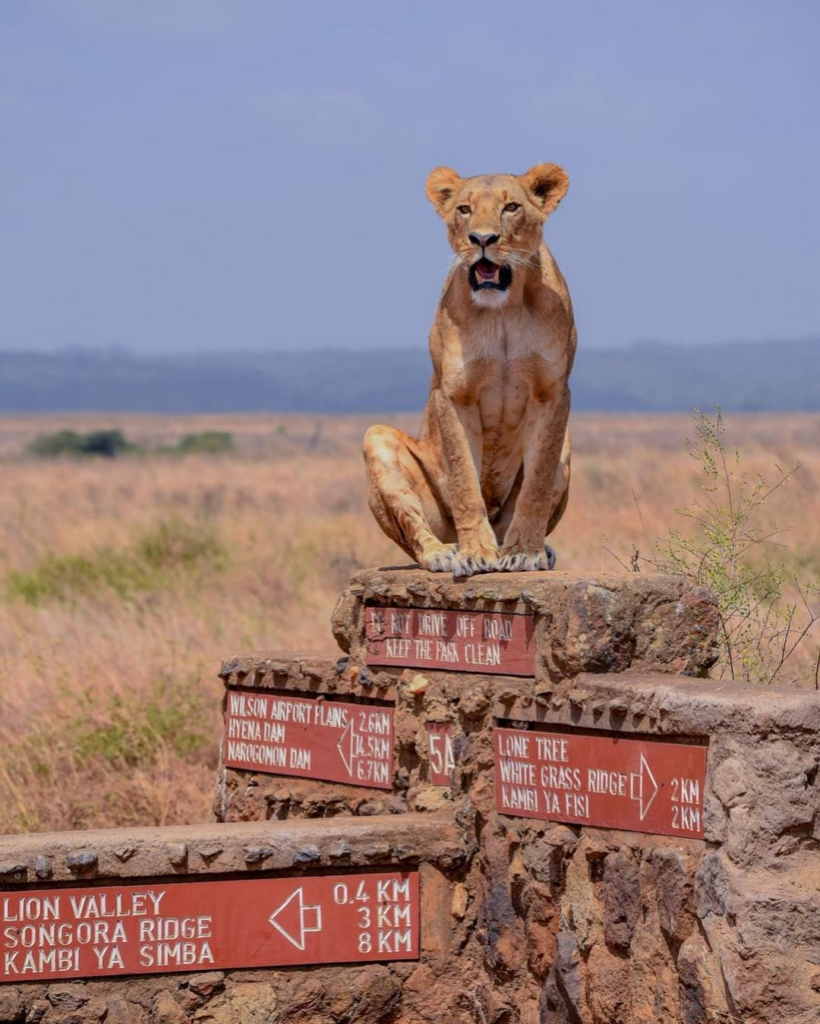
One of the main highlights of the park is the opportunity to see four of Africa’s famous Big Five animals. Visitors on safari often encounter the powerful African Lion resting in the shade during the heat of the day or slowly moving through the tall grass during early morning game drives. The park also hosts the elusive Leopard, which prefers the thicker bush and riverine forests where it can remain hidden while hunting. Herds of the massive African Buffalo are commonly seen grazing across the plains, while the park is internationally recognized as one of the best places in Kenya to observe the endangered Black Rhinoceros. These rhinos are heavily protected within the park, making sightings both exciting and significant for conservation.
Beyond the Big Five species, the park is also home to a variety of herbivores that dominate the open savannah. Elegant Masai Giraffe are frequently seen browsing on acacia trees, their long necks silhouetted against the skyline of Nairobi. Large groups of Plains Zebra roam the grasslands, often accompanied by graceful antelope species such as the Impala and the massive Eland, which is the largest antelope species in Africa. These grazing animals form an essential part of the park’s ecosystem, providing prey for the predators that inhabit the reserve.
Predator sightings are another thrilling aspect of a safari in Nairobi National Park. The fast and agile Cheetah can occasionally be seen scanning the plains from termite mounds as it searches for potential prey. Meanwhile, the highly adaptable Spotted Hyena plays an important ecological role as both a hunter and scavenger within the park. These predators contribute to maintaining the natural balance of the ecosystem, ensuring that wildlife populations remain healthy and sustainable.
What makes wildlife viewing in Nairobi National Park truly unique is the striking contrast between the natural wilderness and the modern city skyline visible in the distance. Few places in the world offer such an extraordinary setting where visitors can observe wild animals roaming freely against the backdrop of one of Africa’s largest cities. This rare combination of urban proximity and thriving wildlife makes the park a remarkable destination for both conservation and tourism.
Top Safari Activities in Nairobi National Park

A visit to Nairobi National Park offers several exciting safari activities that allow travelers to experience wildlife just minutes from the city of Nairobi. Despite its location near a busy urban center, the park provides an authentic safari environment with open plains, acacia trees, and diverse wildlife. The most popular activity in the park is the game drive, where visitors explore the reserve in safari vehicles while searching for wildlife. Early morning and late afternoon drives are the best times to see animals such as the African Lion, Masai Giraffe, Plains Zebra, and the endangered Black Rhinoceros.

Wildlife photography is another highlight of visiting the park. The unique setting allows photographers to capture wildlife against the skyline of Nairobi, creating rare images that combine nature and city landscapes. Visitors can also explore the Ivory Burning Site Monument, an important symbol of Kenya’s fight against wildlife poaching, managed by the Kenya Wildlife Service.
Best Time to Visit Nairobi National Park
Nairobi National Park can be visited throughout the year, but certain seasons offer better wildlife viewing opportunities. The dry season from June to October is generally considered the best time for game viewing in Nairobi. During this period, vegetation is thinner and animals gather near water sources, making them easier to spot.
Another good time to visit is January to February, when the weather is warm and wildlife sightings remain excellent. During the rainy seasons from March to May and November to December, the park becomes greener and more scenic. While animals may be harder to spot due to thicker vegetation, this period is ideal for birdwatching and photography.
