
Tucked into the rugged landscapes of northern Kenya, Samburu National Reserve is a safari haven like no other. With arid plains, the life-giving Ewaso Nyiro River, and dramatic escarpments, Samburu offers travelers a raw, untamed wilderness far from crowded southern parks. It’s a land of rare wildlife, ancient pastoral traditions, and unforgettable experiences.
Wildlife Like Nowhere Else
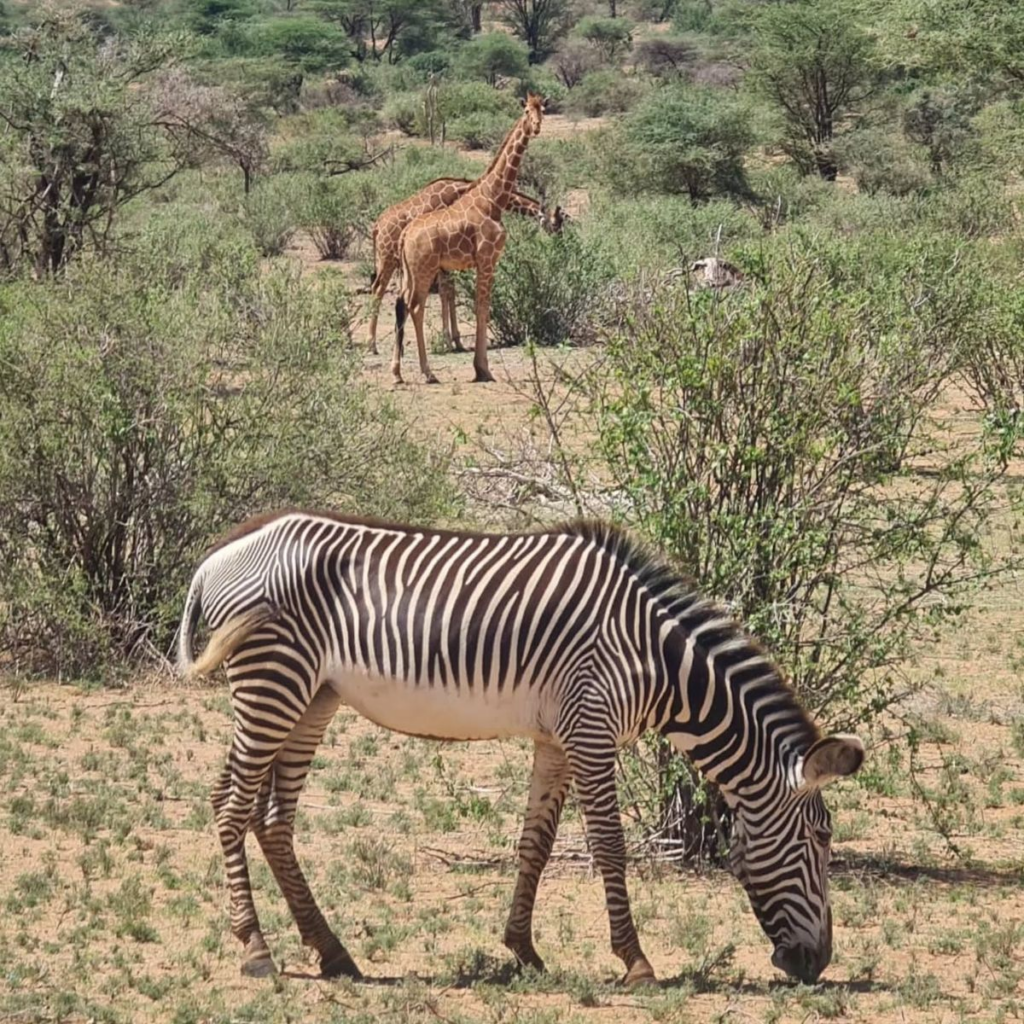
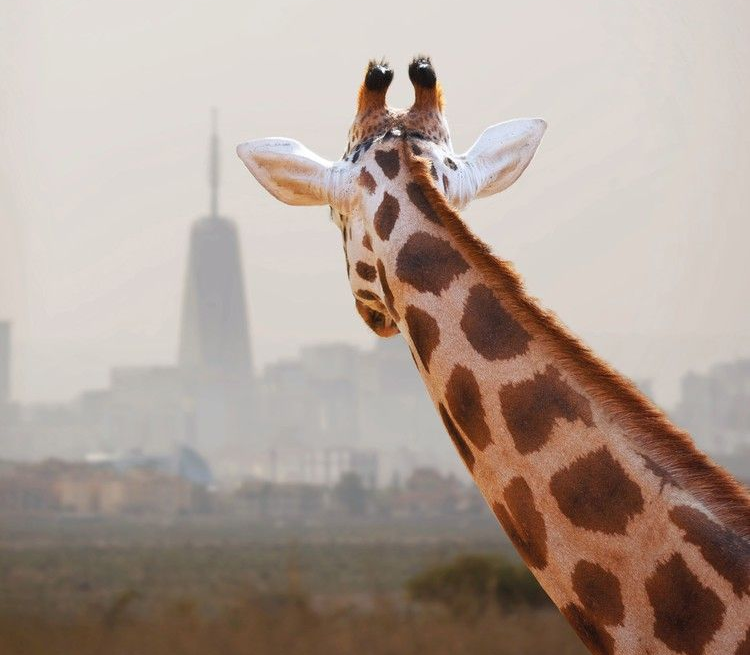
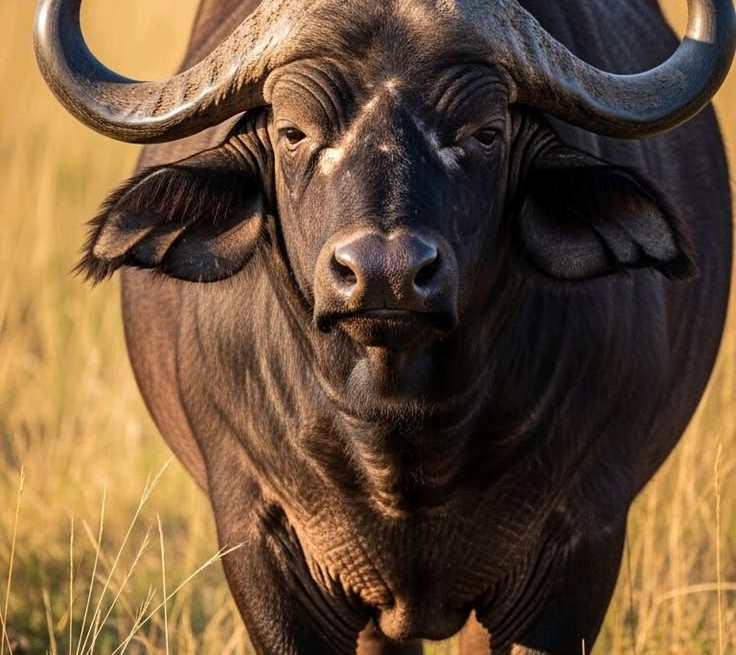
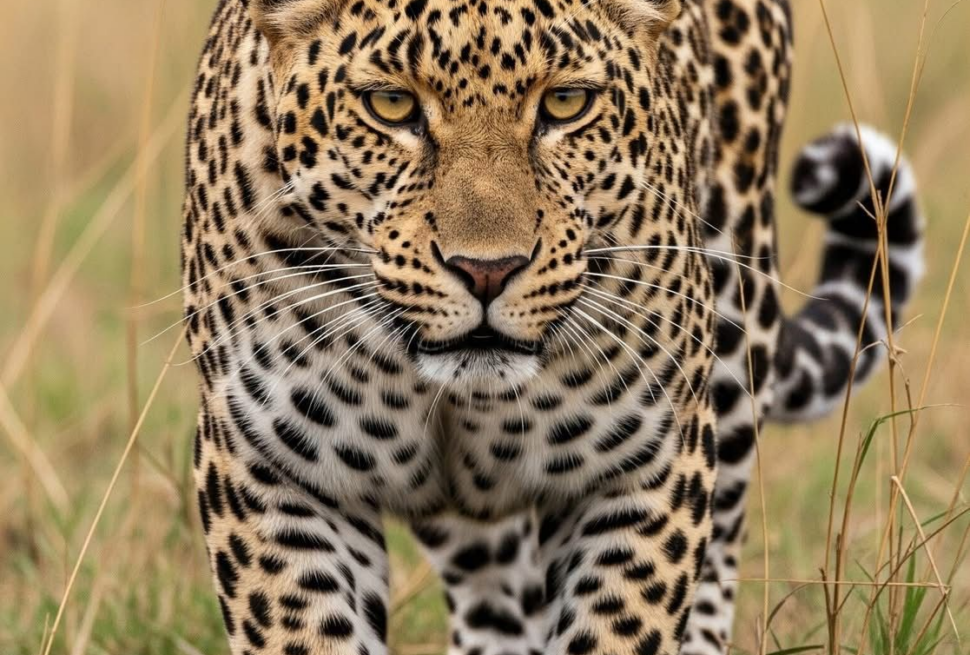
Samburu is home to the famed “Samburu Special Five”: the reticulated giraffe, Grevy’s zebra, gerenuk, Beisa oryx, and Somali ostrich—species you won’t easily spot elsewhere in Kenya. Alongside these rarities, expect lions, leopards, elephants, buffalo, cheetahs, and vibrant birdlife of over 450 species. The Ewaso Nyiro River is a magnet for wildlife, creating perfect opportunities for photography and wildlife observation.
Safari Adventures
Game Drives
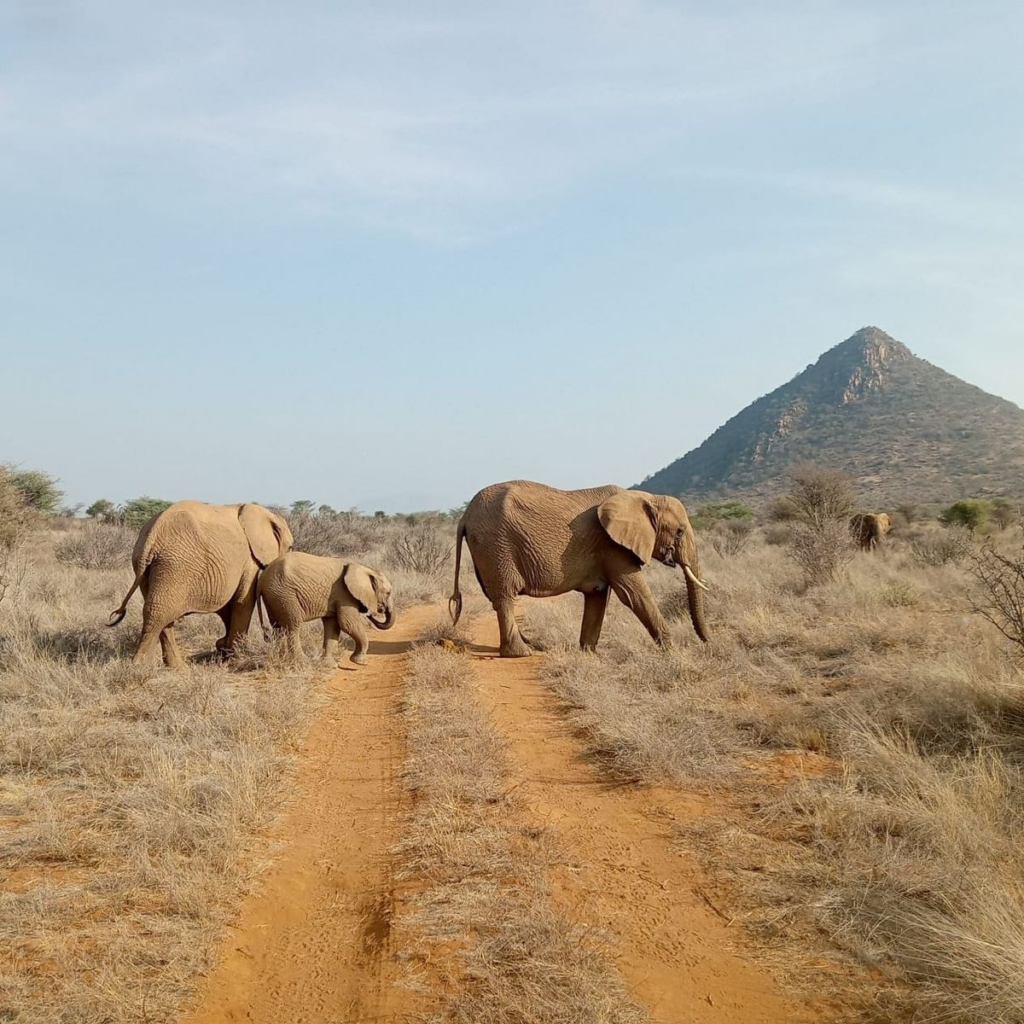
The heart of any Samburu safari is the game drive. Traversing the semi-arid plains and riverine woodlands in 4×4 vehicles, you encounter a unique northern ecosystem. Unlike southern parks, Samburu’s landscapes are more rugged and dramatic, with acacia-studded hills, sandy riverbeds, and rocky outcrops. Morning and late afternoon drives are the most rewarding, revealing lions basking in the sun, leopards stalking prey, and the “Samburu Special Five” grazing the plains. Knowledgeable guides share insights into predator-prey behavior, wildlife adaptations, and hidden tracks, creating a truly educational adventure.
Birdwatching Safaris
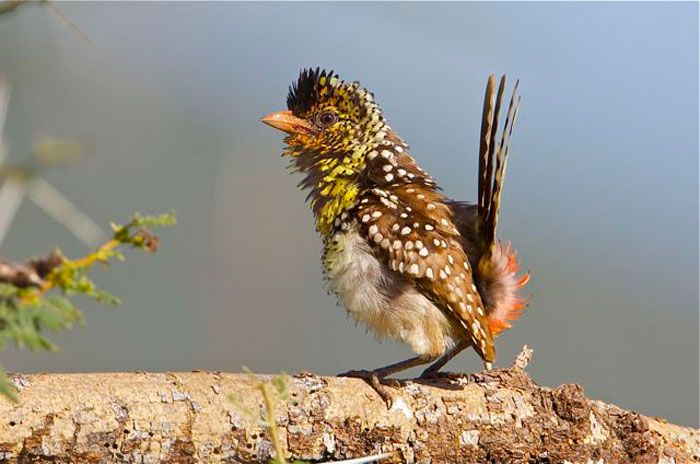
Samburu is a birder’s paradise, boasting over 450 recorded species. The riverine forests, open plains, and acacia woodlands are home to endemic and rare birds like the vulturine guinea fowl, Abyssinian roller, and northern carmine bee-eater. Early mornings bring the best sightings as birds sing and hunt, while the riverbanks attract herons, kingfishers, and eagles. Birdwatchers can combine drives with short walks, spotting nests and observing feeding patterns, making this safari both peaceful and thrilling.
Walking Safaris
For travelers seeking a closer connection to the landscape, walking safaris in adjacent community conservancies are unforgettable. Accompanied by armed guides, visitors learn to read animal tracks, identify plants with medicinal or ecological significance, and spot smaller wildlife like monitor lizards or colorful insects. The slower pace allows a deeper appreciation of Samburu’s ecosystem, from riverine vegetation to dry bush corridors, and offers intimate encounters with birds and other small animals that are often missed on vehicle safaris.
Cultural Safaris
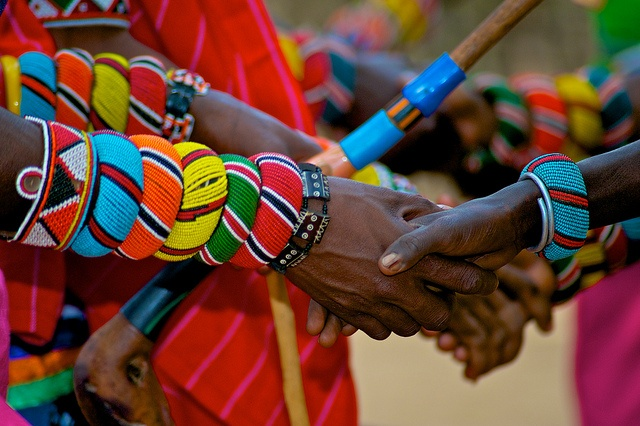
No visit to Samburu is complete without meeting the Samburu people, semi-nomadic pastoralists with centuries-old traditions. Cultural safaris include visits to manyattas (traditional homesteads), demonstrations of beadwork, herding routines, and storytelling about Samburu history. Guests often witness dances, learn how warriors manage livestock, and explore local rituals. These interactions provide context for how humans and wildlife coexist in this fragile northern ecosystem, adding a rich cultural layer to the safari experience.
Hot Air Balloon Safaris
For a truly once-in-a-lifetime adventure, hot air balloon safaris offer a bird’s-eye view of the Samburu plains. At sunrise, balloons lift gently over the river and open savannahs, revealing wildlife from above—herds of oryx, zebras, and elephants appear as if in miniature. After landing, guests often enjoy a bush breakfast, surrounded only by the sounds of the wild. This activity combines thrill, serenity, and luxury, creating unforgettable photographic opportunities and a unique perspective of northern Kenya’s wilderness.
Photography Safaris
Samburu is a dream for wildlife photographers. The arid landscapes, strong northern light, and river crossings create dramatic compositions. Photographers can capture rare species, intimate predator-prey interactions, and striking landscapes with minimal interference from crowds. Early morning mists along the Ewaso Nyiro River, golden sunsets over acacia trees, and close-up portraits of the Samburu Special Five make every shot exceptional.
Bush Meals and Sundowners
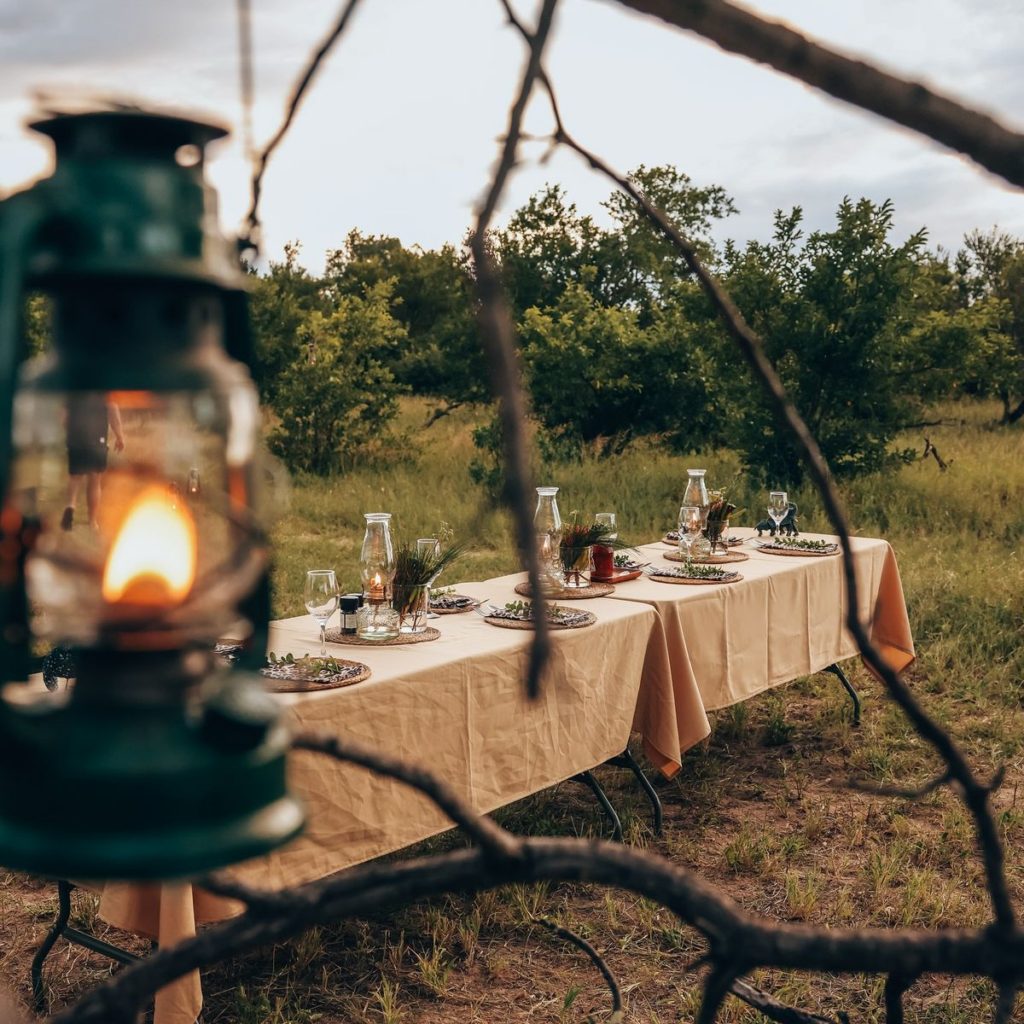
Many lodges and safari operators offer bush breakfasts, lunches, and sundowners along the river or in private viewpoints. Imagine sipping a cold drink while lions stroll in the distance or enjoying morning coffee as elephants cross the plains. These moments combine relaxation, luxury, and wildlife immersion, making Samburu not just a safari, but a fully sensory experience.
Best Time to Visit
Samburu can be enjoyed year-round, but wildlife concentrations and weather make some seasons stand out:
- June–October & January–February: Dry season, peak wildlife viewing, clear skies.
- November–December (Short Rains): Verdant landscapes, vibrant birdlife, fewer tourists.
- March–May (Long Rains): Lush scenery, excellent for birdwatching, though game spotting may be trickier.
Entrance Fees (2025/2026)
Fees support conservation, anti-poaching efforts, and community projects:
- Non-Resident Adult: USD 85/day
- Non-Resident Child: USD 50/day
- Resident Adult: KES 1,600/day
- Citizen Adult: KES 800/day
- Citizen Child: KES 500/day
Vehicle Entry Fees: Saloon/KES 300, Safari 4×4/KES 1,000
Camping Fees: Public/KES 600, Special/KES 2,000
Tickets are valid 24 hours and available at the gate or via eCitizen/M-PESA.
Nearby Attractions & Experiences
Samburu is part of a rich northern Kenya safari circuit:
- Buffalo Springs & Shaba Reserves: Dramatic scenery, hot springs, and additional wildlife for multi-day safaris.
- Community Conservancies: West Gate, Kalama, Sera, and Namunyak offer walking safaris, cultural visits, and exclusive wildlife experiences.
- Reteti Elephant Sanctuary: A community-led project rescuing orphaned elephants—a heartwarming conservation story.
- Mount Ololokwe: Sacred mountain for hiking and sunrise vistas over the plains.
Cultural Highlights
The Samburu people, semi-nomadic and closely related to the Maasai, maintain traditional manyattas near the reserve. Cultural visits reveal herding routines, initiation ceremonies, and intricate beadwork. These encounters provide a unique window into a community that has thrived alongside the wild northern landscapes for generations.
Why Samburu?
Samburu offers a wild, uncrowded safari experience with rare wildlife, dramatic landscapes, and immersive cultural encounters. Its northern light, striking river scenery, and serene plains make it ideal for photographers, adventurers, and travelers seeking a truly authentic African wilderness beyond the usual safari routes.

https://shorturl.fm/aPoAu